
Southern Libya · Sahara Heritage Journal
Ghat Libya: History, Old Town, Fortress & Sahara Culture
Ghat Libya is a historic oasis town in the far southwest, where earthen architecture, Tuareg heritage and old trans-Saharan connections meet the dramatic mountains and desert landscapes surrounding Tadrart Acacus.
Overview
Why Ghat Libya feels different from anywhere else in the country
Ghat Libya sits in a part of the Sahara where history and landscape are difficult to separate. The old town, fortress, palm groves and surrounding rock formations belong to a region shaped by movement across the desert for generations.
Ghat developed within wider trans-Saharan networks that connected communities across Fezzan and beyond. Caravans, oasis settlements and cultural exchange all contributed to the identity of the town.
Today, a visit is most rewarding when Ghat is understood as more than a stop before entering the desert. Its architecture, people and regional traditions provide essential context for the landscapes that surround it.
The town is also closely associated with journeys toward Tadrart Acacus. This creates a natural combination: first experience the living heritage of Ghat, then continue into one of the most remarkable cultural landscapes of the Libyan Sahara.
For a broader introduction to southern Libya, see our Things to Do in the Sahara Desert in Libya guide.

Chapter 01 · Desert Crossroads
Ghat Libya and the history of the trans-Saharan world
The history of Ghat Libya is connected with its geography. The town lies in southwestern Fezzan, close to mountain corridors and desert routes that historically linked oasis communities across the central Sahara.
Ghat became associated with the movement of traders and travelers across the desert. These routes were not simply lines on a map. They were networks of wells, settlements, markets and relationships that connected North Africa with regions farther south.
The wider trade system brought goods, ideas and cultural influences through the Sahara. Towns such as Ghat gained importance because they offered water, shelter, exchange and local knowledge in an environment where geography shaped every journey.
Tuareg communities are central to the cultural identity of the region. Their historical knowledge of the desert, mobility and connection to surrounding landscapes remain important parts of how Ghat is understood today.
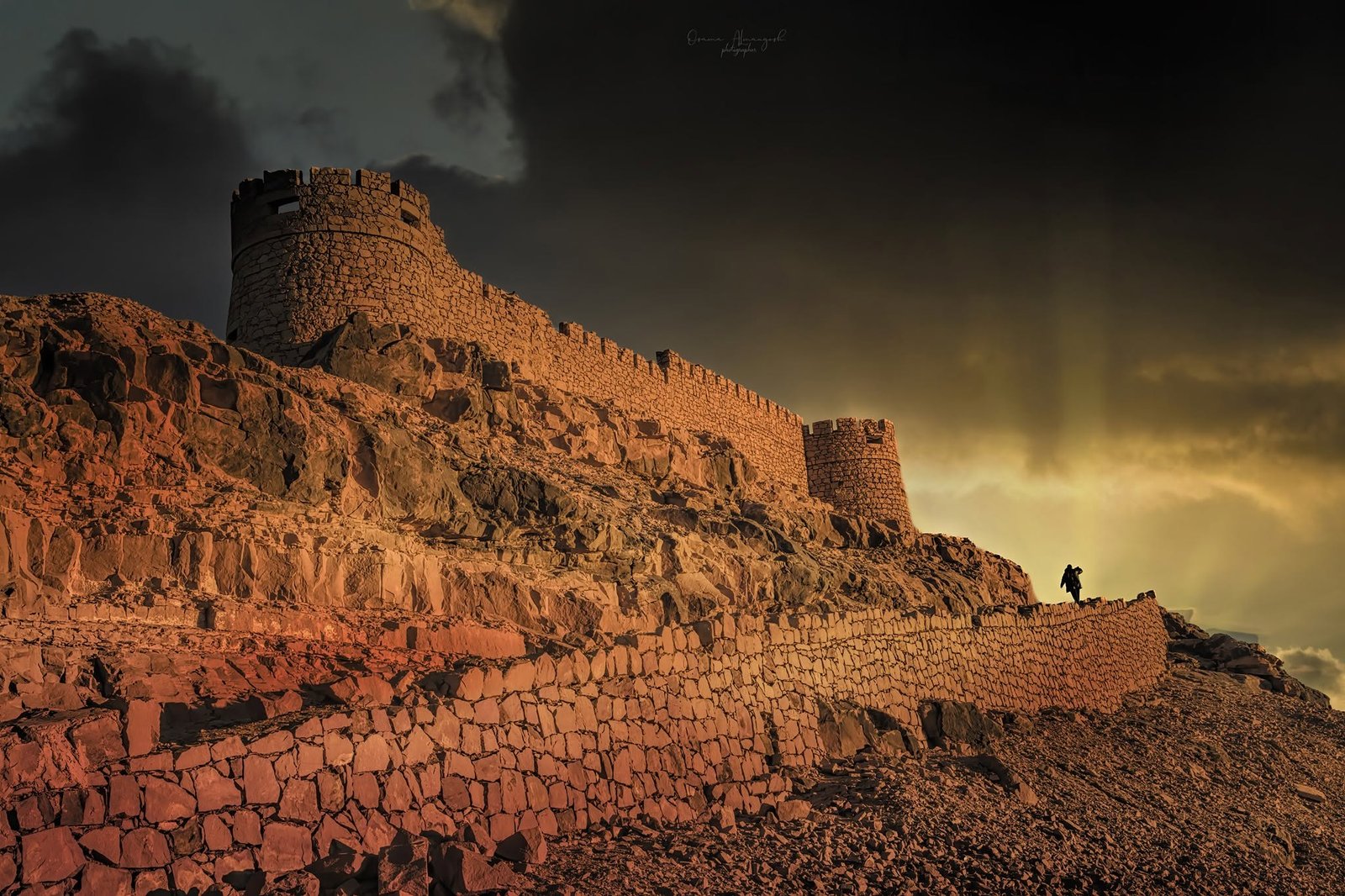
The twentieth century introduced new political and administrative layers, while the old town and fortress remained physical reminders of earlier periods. Modern Ghat developed beyond the historic core, but the older architecture continues to give the city its strongest visual identity.
Water and settlement made Ghat an important human point within a demanding desert environment.
Historic desert connections linked Ghat with wider trans-Saharan networks of trade and travel.
Movement through the Sahara carried customs, stories, craftsmanship and ideas as well as commercial goods.
Modern Ghat remains a cultural gateway to the landscapes of southwestern Libya.
Chapter 02 · Built for the Desert
The Old Town and Fortress of Ghat Libya
The old town is one of the most atmospheric parts of Ghat Libya. Earthen walls, narrow passages and traditional structures create a visual language shaped by the desert.
These buildings were not designed simply for appearance. Thick earthen construction helps respond to strong sunlight and changing desert temperatures, while compact streets provide shade and create protected spaces between homes.
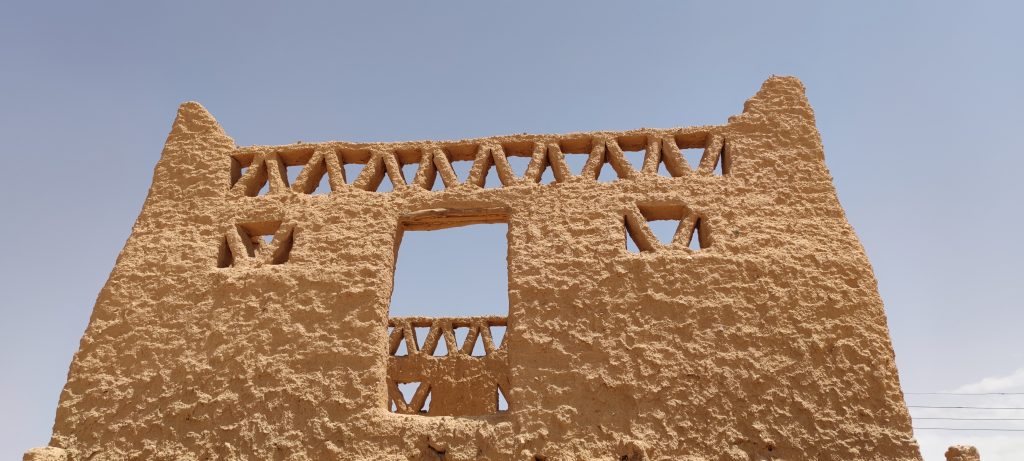
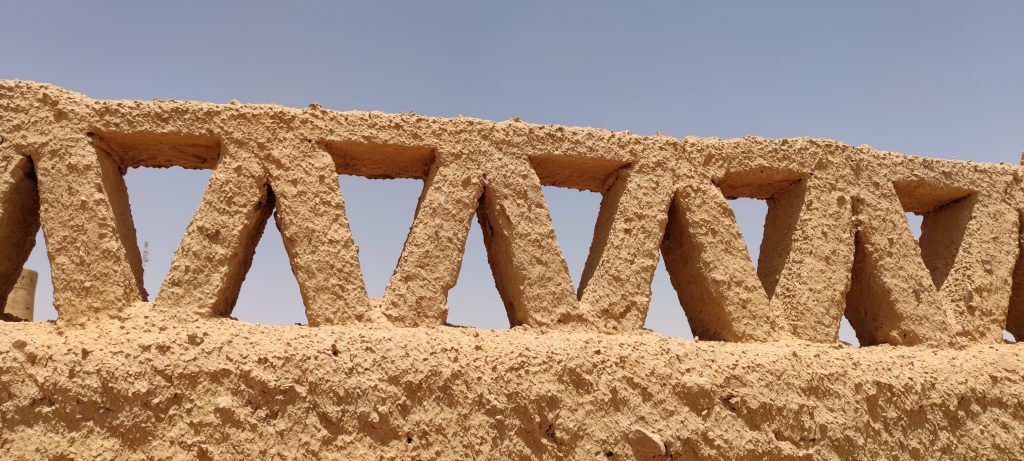
Small architectural details are especially rewarding. Openings, parapets, timber elements and handmade surfaces reveal construction methods that developed around locally available materials.
Above the town, the historic fortress is one of Ghat’s most visible landmarks. Its position on the rocky high ground gives it a strong relationship with the landscape and provides a dramatic focal point when approaching the city.
Rather than viewing the fortress separately, it is better to experience the old town and fort together. They help explain how settlement, defence, geography and daily life were connected.
Earthen Architecture
Details that make Ghat’s historic architecture memorable
One of the pleasures of walking through old Ghat Libya is noticing details that would disappear in a quick visit. The texture of earthen walls changes with sunlight, revealing layers of repair, craftsmanship and age.
Geometric openings and timber-supported forms add rhythm to otherwise simple surfaces. The architecture feels closely tied to its materials and to the desert environment.
This human scale is important. Ghat is not defined by one huge archaeological monument. Its character comes from the relationship between houses, passages, gathering spaces, palm groves and the rocky terrain surrounding the town.
Chapter 03 · Living Heritage
Tuareg culture and the identity of Ghat Libya
Ghat is not only a historic settlement. Its importance also comes from the living cultural traditions of the communities connected with the wider Sahara.
Landscape
Knowledge of routes, water, seasons and terrain has always been important in the Sahara, where understanding the landscape is part of everyday life.
Material Culture
Clothing, leatherwork, jewellery and other forms of craftsmanship express regional identity and connect modern communities with long-standing Saharan traditions.
Music & Story
Music, poetry and oral traditions are important ways in which cultural memory, family histories and connections to the desert are shared.
Travelers should approach this heritage as living culture rather than as a performance created only for visitors. Conversations, local knowledge and time spent in Ghat can provide more understanding than simply photographing the most visible landmarks.
That is also why a private journey through Ghat Libya benefits from local guidance. The meaning of architecture, routes and regional traditions is often found in details that are not obvious from the landscape alone.
Chapter 04 · Beyond the Town
Ghat Libya opens the door to a much larger Sahara
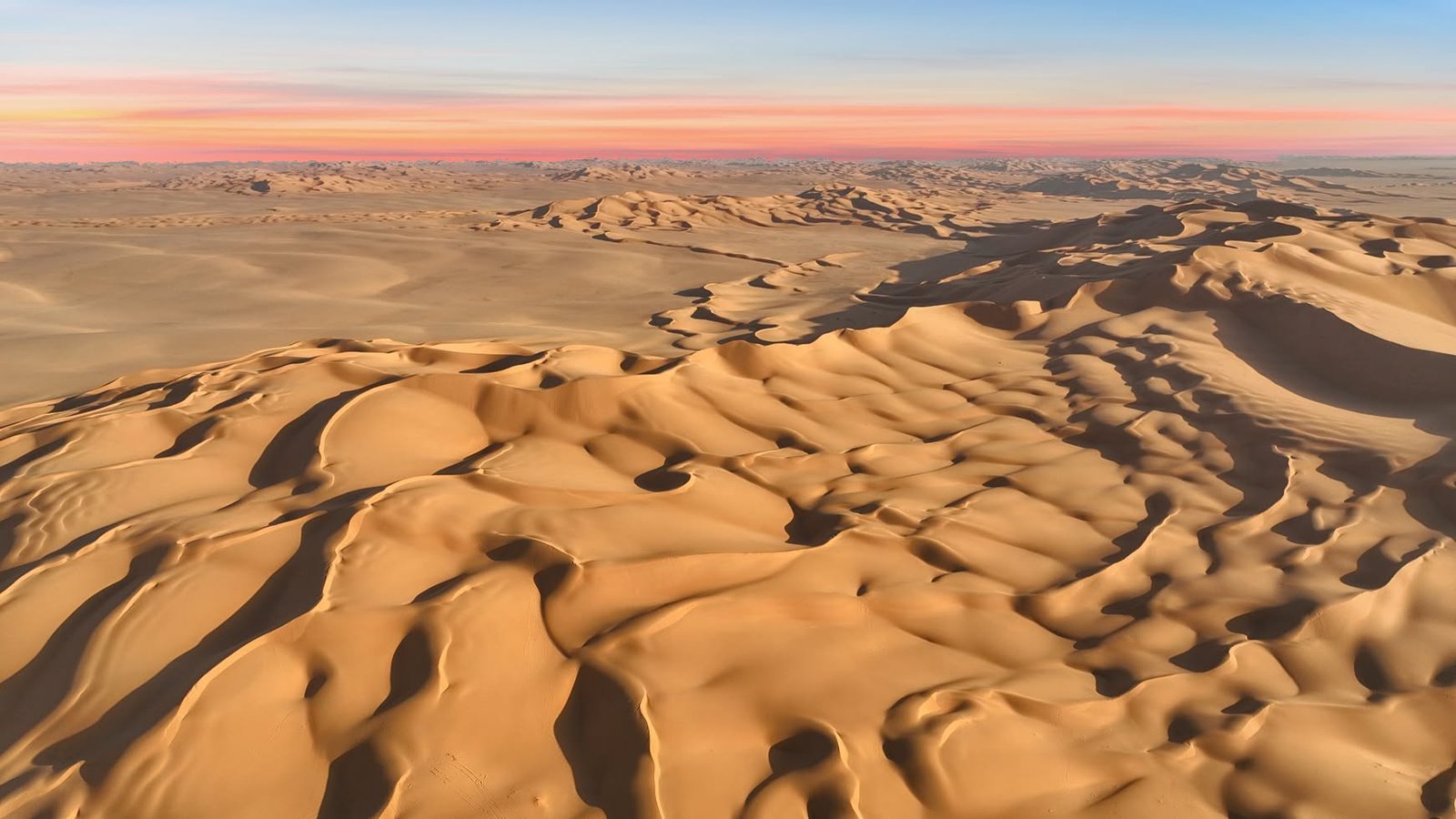
The town gains much of its power from what lies beyond it. Leaving the oasis behind introduces a landscape of open desert, rocky plateaus, sandstone mountains and distant dune fields.
Light changes the scenery constantly. Morning creates long shadows and sharper textures, while the final hours of the day soften cliffs and sand into warmer tones.
For many travelers, these transitions are as memorable as individual landmarks. A Sahara journey is not only about arriving at one famous place; distance, silence and the movement between different landscapes are part of the experience.
The Ghat Festival
Ghat has long been associated with an annual cultural festival that brings together music, dance, traditional dress and regional celebrations.
The festival is closely connected with Tuareg and Saharan culture and can give visitors another way to experience the living identity of Ghat Libya.
Exact dates can vary from one edition to another, so travelers planning around the festival should confirm the current schedule before arranging the rest of the itinerary.
Visit Ghat slowly
A short stop can show you the fortress. A longer stay allows you to understand the old town, surrounding oasis, regional culture and the relationship between Ghat and the greater Sahara.
This is why we prefer building Ghat into a wider desert journey rather than treating it as an isolated sightseeing stop.
Chapter 06 · UNESCO Heritage
Ghat Libya as a gateway to Tadrart Acacus
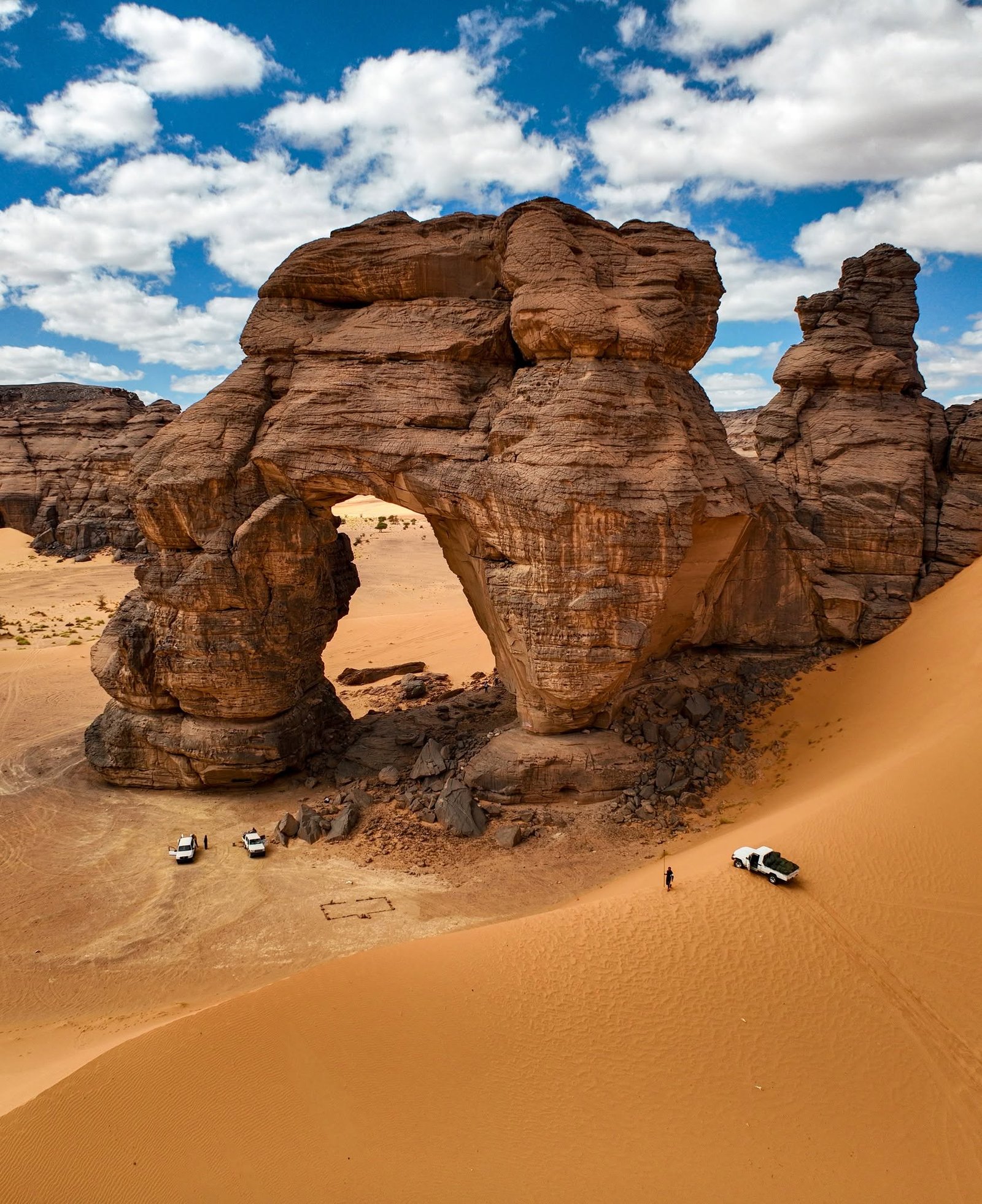
For many travelers, one of the main reasons to spend time in Ghat Libya is its connection with Tadrart Acacus. The region combines dramatic sandstone scenery with one of Africa’s important concentrations of prehistoric rock art.
Paintings and engravings record people, animals and changing environments across long periods of Saharan history. Their importance is increased by the fact that they remain within the landscape in which they were created.
Tadrart Acacus was inscribed on the UNESCO World Heritage List in 1985. Ghat itself is not the UNESCO property; instead, the town works as a cultural and geographic gateway for journeys toward the Acacus landscape.
The combination works extremely well. Ghat introduces the living history of the region, while Acacus moves the story farther back into prehistoric time.
Read our full Tadrart Acacus Rock Art guide for a deeper look at the site.
Location & Landscape
Where is Ghat Libya?
Ghat lies in far southwestern Libya in the Fezzan region, close to the Algerian border and the mountain and desert landscapes associated with the Acacus region.
Its remote location is part of its identity. The town belongs to a completely different geographic world from Tripoli, Leptis Magna or the Mediterranean coast.
The map shows Ghat and Tadrart Acacus as two related points of a wider southwestern Libya journey. The connecting line is illustrative and does not represent a specific driving route.
Explore More Places in Libya →Chapter 07 · Seasons
Best time to experience Ghat Libya and the Sahara
For desert-oriented travel around Ghat Libya, the cooler part of the year is generally the most comfortable period for walking, outdoor exploration and longer journeys into the surrounding Sahara.
October through April is the main window we use when discussing desert-focused itineraries. Conditions still vary by month and by the activities planned, so the trip should be built around actual dates rather than the season alone.
A good transition into the cooler desert travel season.
Cooler days and nights suited to cultural and desert exploration.
Popular months for combining Ghat with longer Sahara journeys.
Often one of the final comfortable periods before stronger heat.
Build the Journey
How Ghat Libya fits into a private Sahara itinerary
A well-planned Ghat itinerary should give the town enough time before moving deeper into the desert. Begin with the old town and fortress, then use the surrounding oasis and landscape to understand the setting.
From there, the journey can continue toward Tadrart Acacus, where sandstone mountains, arches and rock-art locations create a completely different visual experience.
Travelers with more time can connect southwestern Libya with other parts of Fezzan. This creates a broader journey through oasis history, Garamantian archaeology, sand seas and prehistoric heritage.
Browse Our Itineraries or read Libya Travel Tips when preparing a longer private trip.
Frequently Asked Questions
Ghat Libya FAQ
Where is Ghat Libya?
What is Ghat Libya known for?
Is Ghat itself a UNESCO World Heritage Site?
What can I see in the old town of Ghat?
What is the Ghat Festival?
What is the best time to visit Ghat Libya?
Can Ghat and Tadrart Acacus be combined in one itinerary?
Can Libya Adventures organize a private trip to Ghat?
Continue Exploring
More Sahara and southern Libya guides
Plan a Sahara Journey
Explore Ghat, Acacus and southwestern Libya with a private itinerary
Libya Adventures has been organizing journeys in Libya since 2011. Tell us your preferred dates, group size and the places that interest you most, and we can discuss a private route combining Ghat’s living heritage with the landscapes of the Sahara.
Request a Ghat & Sahara Itinerary →