
Practical Advice · Culture · Sahara · 2026
Libya Travel Tips 2026: What to Know Before You Go
Practical advice for planning a trip to Libya, from visas, money and transport to clothing, photography, Ramadan, communications and preparing for the Sahara.
Start Planning ↓Before you go
Plan first Good preparation matters more than trying to solve every detail after arrival.Practical planning makes a big difference in Libya
Libya is a destination where it helps to know your itinerary, entry procedure and practical arrangements before departure. Long distances, changing schedules and different conditions between the coast and Sahara make advance planning especially useful.
Your preparation should begin with the visa and passport requirements that apply to your nationality, followed by transport, accommodation and the local arrangements for your route.
These Libya travel tips focus on the everyday details that can make a journey smoother: documents, money, transport, clothing, communications, photography and packing for the desert.
Travel documents
Visa, passport and documents
Entry requirements are not identical for every traveller. Confirm the current requirements for your nationality, passport type and purpose of travel.
Check the required validity period and available visa pages before beginning your application.
Use the visa route that applies to your nationality and purpose of travel.
Keep printed copies of important approvals, itineraries and contact information.
Keep your accommodation and local travel contacts available both on your phone and offline.
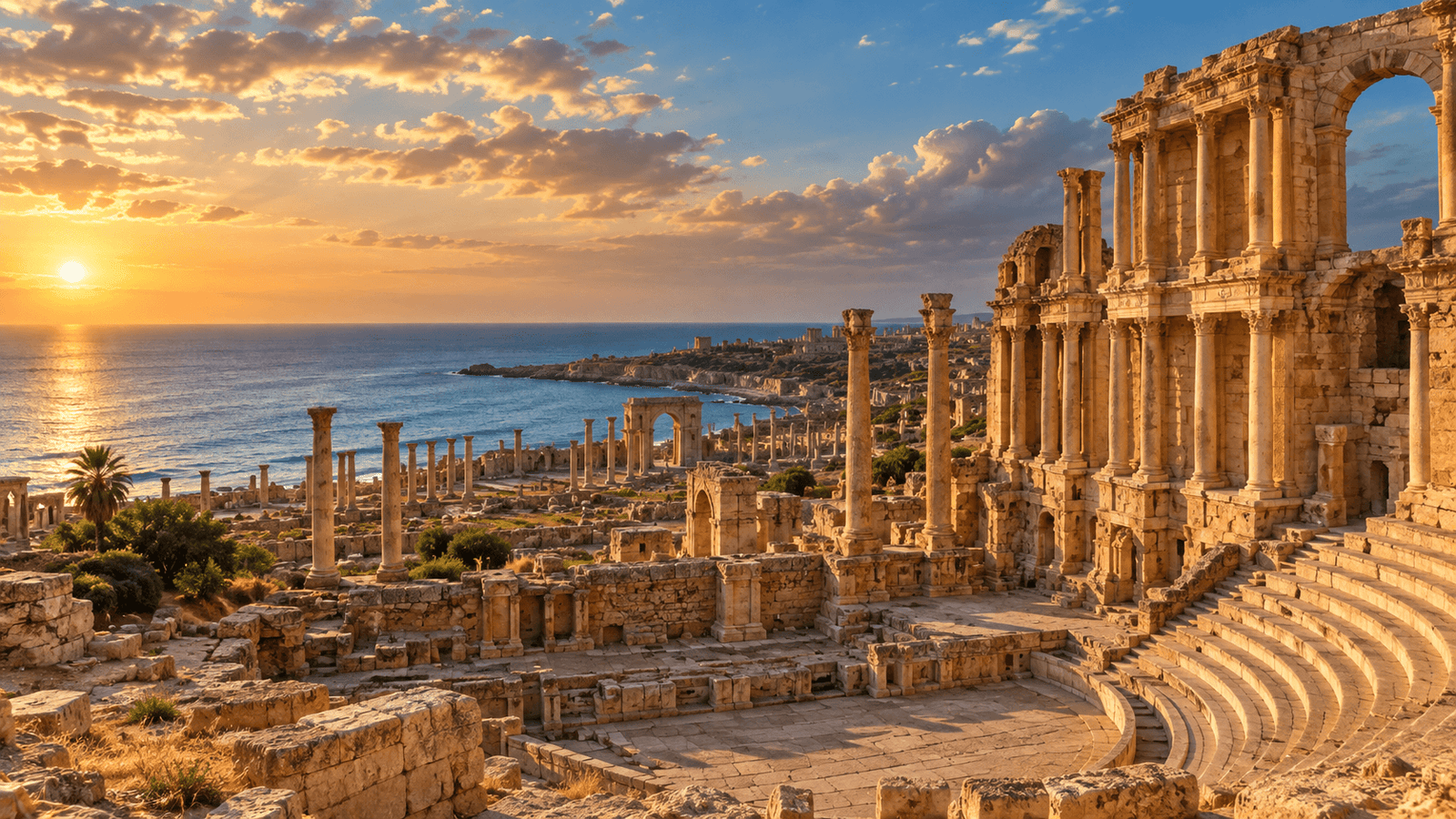
Touring historical sites
Prepare for long days outdoors
Archaeological sites such as Leptis Magna can involve substantial walking on stone, uneven ground and large open areas with limited shade.
Comfortable footwear, sun protection and drinking water are much more useful than dressing as though the day will be spent entirely inside a vehicle.
Give yourself enough time to explore. Libya’s major archaeological sites are large, and rushing through them takes away much of the experience.
Payments
Carry a practical cash reserve
Payment options can vary from one place to another, particularly when travelling beyond the major cities.
Money and payments in Libya
The Libyan dinar is the local currency. Ask before your trip which expenses are already included and which purchases you may need to pay for locally.
Do not assume that every restaurant, shop or service will accept the same payment method. Having a sensible cash reserve can make everyday purchases easier.
Keep larger amounts secure and carry only what you expect to need during the day.
Moving around
Plan transport instead of improvising it
Libya is a large country, and travel between cities, archaeological sites and desert regions can involve substantial distances.
Pre-arranged private transport is practical for archaeological touring and journeys between destinations outside the main city centres.
Flights can reduce long overland distances. Allow some flexibility in an itinerary that depends on domestic connections.
For short journeys, ask your hotel, host or local travel team about the practical options available in that city.
Desert routes require suitable vehicles, experienced local support and planning for fuel, supplies and camp arrangements.
Local customs
What to wear and how to travel respectfully
Comfortable, modest clothing is a simple choice for travelling through cities, archaeological sites and traditional communities. It also works well in Libya’s sunny climate.
Lightweight trousers, long skirts or dresses and tops that provide reasonable coverage work well for most sightseeing.
Follow local guidance when entering mosques or religious sites. A light scarf can also be useful to carry.
Long, loose clothing works particularly well in the Sahara because it provides sun protection while remaining practical for outdoor travel.
Religious calendar
Travelling in Libya during Ramadan
Travel during Ramadan is possible, but the rhythm of the day changes. Business hours, meals and local services may operate differently, particularly during the afternoon and around sunset.
Visitors should be considerate of people who are fasting during daylight hours and follow local guidance from their hosts or travel team.
The evenings can be especially lively once the daily fast ends, with families gathering for Iftar and activity continuing later into the night.
Cameras & phones
Think before taking a photograph
Around checkpoints, official buildings, airports or other sensitive locations, follow the instructions of your local guide and do not assume photography is appropriate.
When photographing local people, ask permission first. This small gesture makes a big difference, particularly in traditional communities and markets.
Archaeological sites, landscapes and desert camps offer plenty of opportunities for photography without needing to photograph every place you pass.
Day-to-day travel
Phones, internet, medicines and useful essentials
Mobile connectivity is generally easier in major cities than in remote desert areas. Do not expect the same connection throughout the entire journey.
Save important addresses, tickets, contacts and itinerary details offline before travelling between regions.
Carry enough of your usual medication for the trip and keep it in its original labelled packaging where practical.
Keep digital and printed copies of important travel documents separate from the originals.
Carry sufficient drinking water on long road journeys, archaeological visits and desert excursions.
A charged power bank is useful during long touring days, road journeys and remote desert travel.

Heading south
Pack differently for the Sahara
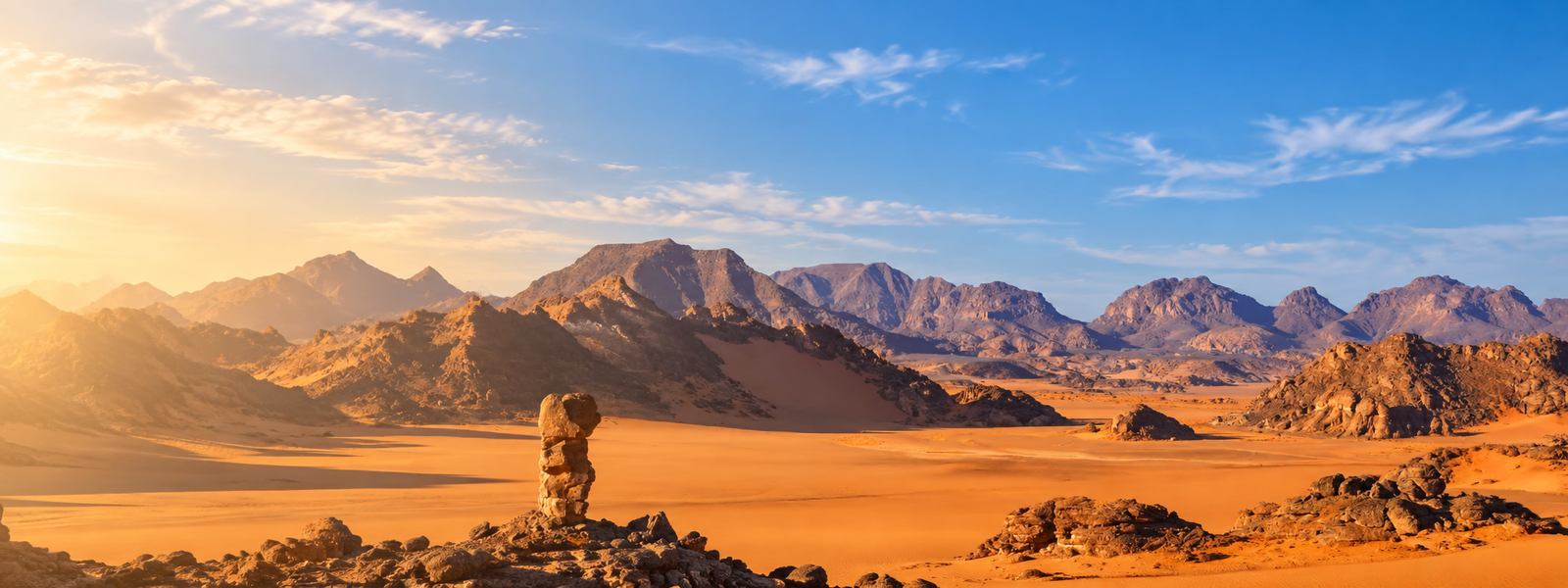
Desert travel is not simply a hotter version of city sightseeing. You may spend long periods outdoors and experience noticeable temperature changes between daytime and night.
Your packing list should match the season, route and style of journey rather than a generic desert checklist.
Hat, sunglasses, sunscreen and lightweight long clothing are useful for extended time outdoors.
Desert evenings and early mornings may feel much cooler than the daytime.
Choose comfortable shoes suitable for sand, archaeological terrain and uneven ground.
Keep water, sun protection, documents and personal essentials within easy reach.
Bring enough medication for the full desert section rather than expecting supplies to be nearby.
Keep phones, cameras and power banks charged before travelling into remote areas.
Libya Adventures
Turn practical planning into a real itinerary
Libya Adventures has been based in Tripoli and helping visitors plan private journeys, tours and practical travel arrangements since 2011.
Ubari Camel Trek – 8 Days
A camel-supported desert journey through Erg Ubari, dunes, lakes and camp nights.
View itinerary →Roman Archaeological – 4 Days
Visit Tripoli, Leptis Magna and Sabratha on a focused western Libya journey.
View itinerary →Tripolitania & Ghadames – 7 Days
Combine Roman heritage with Tripoli and the historic oasis town of Ghadames.
View itinerary →Historical Libya – 9 Days
Explore major historical sites across western and eastern Libya.
View itinerary →Frequently asked questions
Libya travel tips FAQ
Should I carry cash when travelling in Libya?
What should tourists wear in Libya?
Can I take photographs everywhere in Libya?
Does Ramadan affect travel in Libya?
Should I arrange transport before arriving in Libya?
What should I pack for a Libya desert trip?
Is internet available throughout Libya?
What are the most useful items to carry during a sightseeing day?
Continue planning
Useful Libya travel guides
Planning your trip?
Ask us about your Libya itinerary
Tell us your preferred dates, number of travellers and the places you want to visit. We can discuss a private itinerary and the practical arrangements for your proposed journey.
Send an Enquiry →