
Libya Culture · Museum Guide 2026
Best Museums in Libya: 5 Museums for History & Archaeology
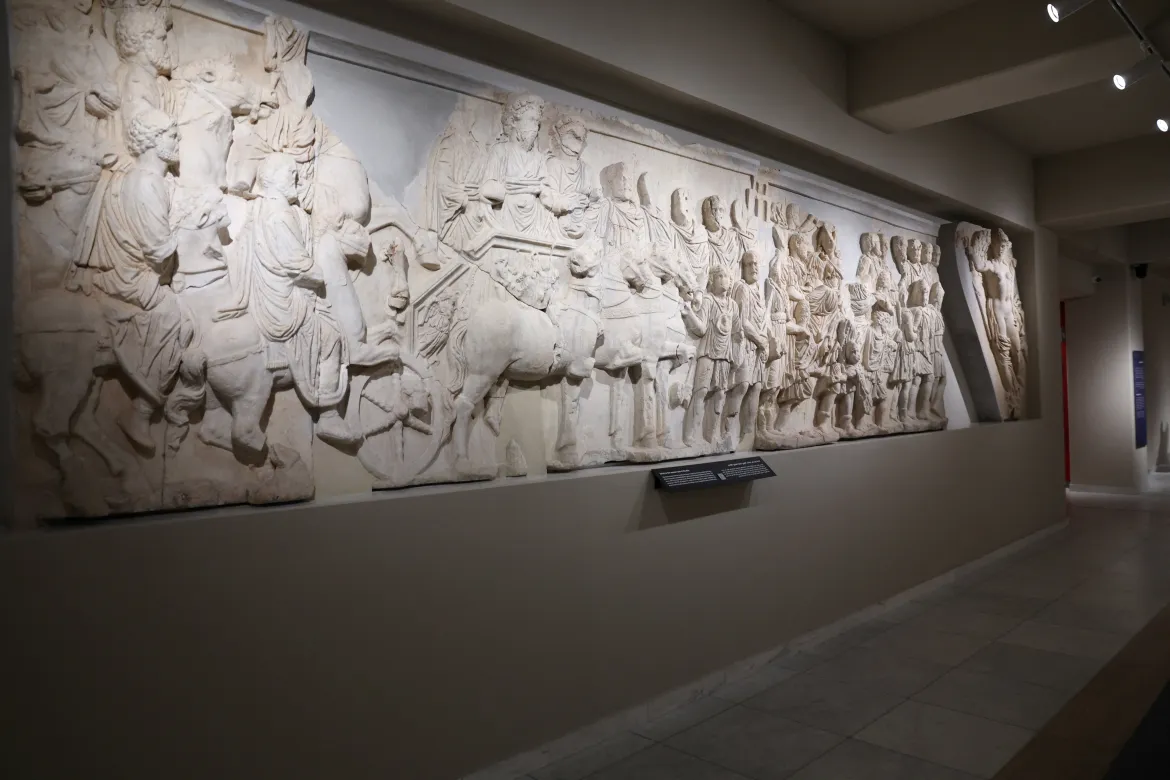
Museums in Libya bring thousands of years of history together through sculpture, mosaics, inscriptions, archaeological finds and objects from daily life. From the National Museum in Tripoli to Leptis Magna, Sabratha, Cyrenaica and Germa, these collections add another layer to the ancient cities and cultural landscapes that make Libya such a distinctive historical destination.
Culture & Archaeology
Why Museums in Libya belong on a cultural itinerary
Museums in Libya preserve material from a historical landscape stretching from Mediterranean trading cities to the oasis settlements of the Sahara.
Their collections reflect Phoenician, Punic, Greek, Roman, Byzantine, Islamic and Saharan history. Statues, mosaics, pottery, inscriptions and architectural fragments provide details that cannot always be understood from ruins alone.
The connection between object and place is especially important at Leptis Magna and Sabratha. A visitor can explore an ancient forum, theatre or marketplace outdoors and then see smaller objects connected with the same historical environment.
Tripoli provides the broadest starting point. The National Museum, inside the Red Castle beside Martyrs’ Square, brings several periods of Libyan history together under one roof.
Eastern Libya adds another cultural layer through Apollonia and Cyrenaica, while Germa introduces the Garamantes and the oasis civilizations of Fezzan.
If museums and archaeology are a priority, tell us when planning your journey. Our Historical Libya – 9 Days program already connects several major heritage regions.
Museum Index
Museums in Libya at a glance
These five museum destinations represent different chapters of Libyan history and work especially well when combined with their surrounding archaeological sites.
| Museum | Location | Main Focus | Best Combined With |
|---|---|---|---|
| National Museum | Tripoli | National history & archaeology | Red Castle, Old City & Martyrs’ Square |
| Leptis Magna Museum | Leptis Magna / Khoms | Roman archaeology, mosaics & excavated material | Leptis Magna archaeological site |
| Sabratha Museums | Sabratha | Punic & Roman archaeology | Theatre and ancient city |
| Apollonia Museum | Susa / Cyrenaica | Greek & Roman archaeology | Apollonia and Cyrene |
| Germa Museum | Germa / Fezzan | Garamantian & Saharan history | Ancient Garama & Wadi al-Ajal |
Museum 01 · Tripoli
National Museum: the starting point for Museums in Libya
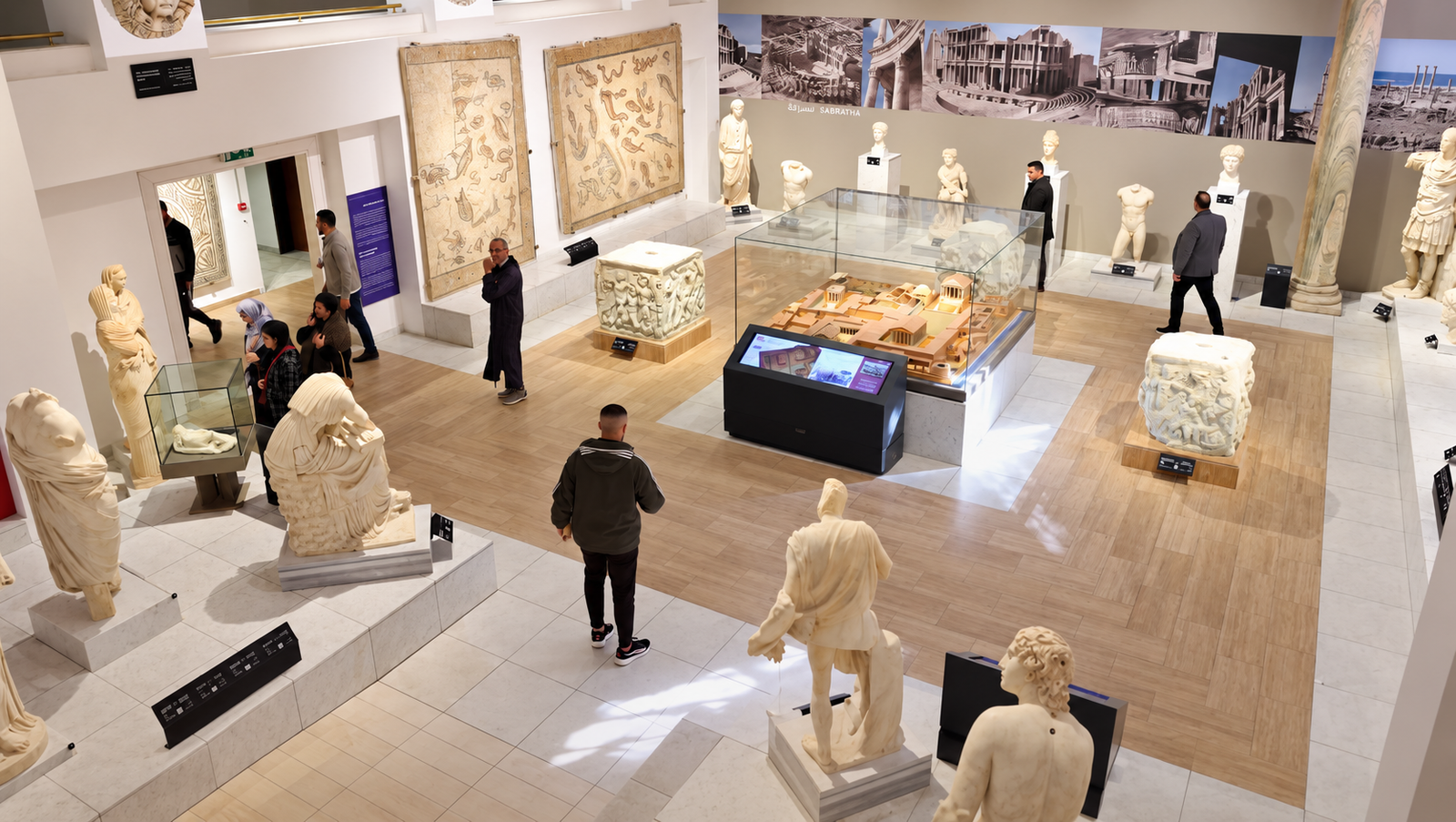
The National Museum in Tripoli provides the broadest introduction to Libya’s archaeology and historical development. It is a useful first museum for visitors before exploring individual archaeological regions.
Located inside the Red Castle beside Martyrs’ Square and the Old City, the museum sits within one of the most historically important parts of central Tripoli.
Its galleries bring together sculptures, archaeological objects, mosaics, reliefs and historical material from different periods and parts of Libya.
That broad scope separates the National Museum from museums connected with individual archaeological sites. At Leptis Magna or Sabratha, collections concentrate more directly on material discovered within those ancient cities.
The museum’s visitor information also states that last admission is one hour before closing. Check the official museum website before your visit in case opening arrangements change.
Official National Museum website →
Continue with our Things to Do in Tripoli guide for the rest of your time in the capital.
Leptis Magna · Khoms
Museums in Libya: Leptis Magna Museum
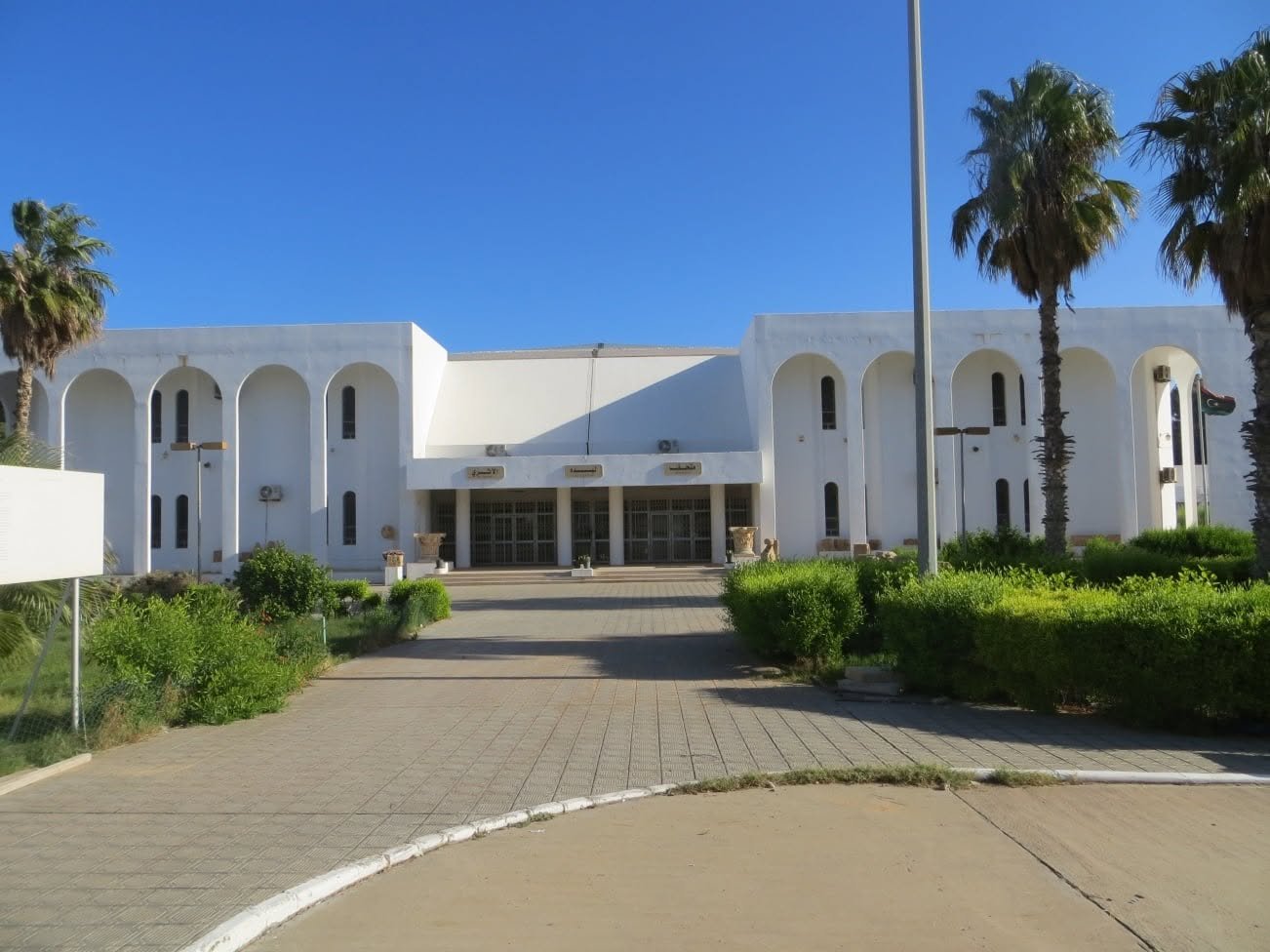
Leptis Magna Museum is best experienced as part of a full day exploring the ancient city. Outside the museum, visitors encounter one of the great Roman urban landscapes of North Africa.
Forums, baths, streets, a theatre, market, basilica, monumental arches and the ancient harbour show the extraordinary scale reached by Leptis Magna.
The museum provides another level of detail. Archaeological finds help visitors understand decoration, craftsmanship, religion and everyday life within the city.
UNESCO notes that museum collections associated with Leptis Magna contain important excavated material including mosaics and frescoes.
These smaller objects complement the monumental archaeology outside. Together, the ancient city and museum create one of the most complete historical experiences among Museums in Libya.
Read our Leptis Magna Libya guide before your visit.
Official UNESCO Leptis Magna listing →
Sabratha · Punic & Roman Heritage
Museums in Libya: Sabratha Archaeological Museums
Sabratha provides one of the clearest examples of why museum collections and archaeological sites should be explored together.
The ancient settlement began as a Phoenician trading post and later developed into a major Roman city on Libya’s Mediterranean coast.
UNESCO documentation identifies both a Punic Museum and a Roman Museum at the archaeological property.
Punic material helps explain the city before Romanization, while Roman collections connect directly with the monumental city that visitors explore today.
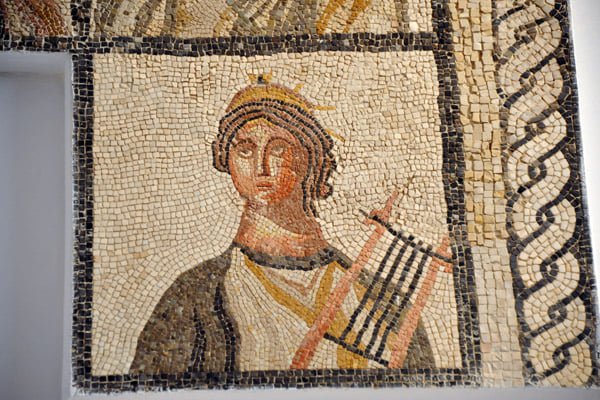
Mosaics are particularly effective at communicating the artistic world behind the ruins. The ancient theatre, forum, temples and baths show the scale of Sabratha, while mosaics preserve details of color, clothing and portraiture.
Together, these collections show why Sabratha deserves its place among the most interesting Museums in Libya.
Continue with our Roman Site of Sabratha guide.
Official UNESCO Sabratha listing →
Susa · Eastern Libya
Museums in Libya: Apollonia / Susa Museum
Apollonia lies beside modern Susa on the Mediterranean coast of Cyrenaica. In antiquity it served as the port of Cyrene, one of the great Greek cities of North Africa.
The archaeological landscape therefore has a different identity from the Roman cities of western Libya. Greek foundations were followed by Roman and later Byzantine development.
Museum material associated with Apollonia helps visitors examine sculpture, pottery, architectural fragments and smaller archaeological finds from the city and region.
Among Museums in Libya, Apollonia is particularly useful for understanding the importance of Greek Cyrenaica.
A combined visit to Apollonia and Cyrene also explains the relationship between an inland ancient city and its Mediterranean port.
Our Historical Libya – 9 Days itinerary includes major archaeological regions in both western and eastern Libya.
Germa · Wadi al-Ajal
Museums in Libya: Germa Museum
Germa takes a museum journey away from the Mediterranean coast and into the oasis landscapes of Fezzan.
Ancient Garama became an important center of the Garamantes, a civilization closely connected with the Saharan environment and the oasis system of Wadi al-Ajal.
Archaeological material from the region helps explain settlement, trade, burial traditions, craftsmanship and everyday life in southern Libya.
Germa is particularly important because Museums in Libya should not tell only a Greek and Roman story.
Libya’s Sahara developed important communities, technologies and trading connections of its own. A visit to Germa helps place that southern history at the center of the story rather than treating it as an addition to the Mediterranean coast.
Read our Visiting Germa guide for more context.
Museum Geography
Map of Museums in Libya
The museums in this guide are spread across several historical regions. Tripoli, Sabratha and Leptis Magna create a natural western route, Apollonia belongs to Cyrenaica in eastern Libya, and Germa takes the journey south into Fezzan.
Museum Collections
What you can discover inside Museums in Libya
Individual collections differ, but several types of archaeological material repeatedly help visitors understand ancient art, religion, commerce and everyday life.
Statues & reliefs
Marble and stone sculpture preserves portraits, religious imagery and decoration from important ancient buildings.
Mosaics & frescoes
Mosaic floors and painted surfaces reveal color and craftsmanship that may no longer survive within exposed archaeological buildings.
Pottery & objects
Ceramics, household objects and tools reveal information about cooking, storage, work and trade.
Inscriptions
Inscriptions preserve names, dedications and evidence connecting archaeological sites with real people and institutions.
Build Your Journey
How to include Museums in Libya in a private itinerary
The easiest museum route begins in Tripoli. A visit to the National Museum can be combined with Martyrs’ Square, the Old City and nearby historical landmarks.
From Tripoli, separate road days can connect Sabratha to the west and Leptis Magna to the east. This creates a strong combination of museum collections and open-air archaeology.
Travelers with more time can continue into Cyrenaica. Apollonia and nearby Cyrene introduce the Greek history of eastern Libya and provide a strong contrast with the Roman monumental architecture of Tripolitania.
Germa requires a different journey. A Fezzan itinerary can combine the museum with ancient Garama, Wadi al-Ajal and the wider cultural landscapes of the Libyan Sahara.
Planning this way makes Museums in Libya part of the wider geography and history rather than a separate checklist of buildings.
Tripoli Culture Day
National Museum, Red Castle surroundings, Martyrs’ Square and Tripoli Old City.
Roman Coast
Tripoli, Sabratha and Leptis Magna with museum collections and archaeological sites.
Grand Historical Libya
Add Cyrenaica or Fezzan for a deeper multi-region cultural and archaeological journey.
Visitor Tips
Practical advice for visiting Museums in Libya
Check current opening arrangements. The National Museum publishes visitor information online. At other archaeological museums, access should be reconfirmed for your actual travel date.
Combine museums with archaeological sites. At Leptis Magna and Sabratha, the museum collection is most useful when you also have enough time to explore the ancient city.
Ask where an object was discovered. Knowing the original context of a mosaic, statue or inscription can transform an isolated object into part of a larger historical story.
Follow photography rules. Ask before using flash, tripods or professional photographic equipment inside museum galleries.
Tell us your historical interests. If museums are an important part of your trip, mention which civilizations, periods or archaeological sites interest you when requesting your itinerary.
Frequently Asked Questions
Museums in Libya FAQ
What are the best Museums in Libya for a first visit?
Is the National Museum in Tripoli open?
Where is the National Museum in Tripoli?
Does Leptis Magna have a museum?
Does Sabratha have museums?
Why visit Apollonia Museum?
Why visit Germa Museum?
Can Libya Adventures include museums in a private itinerary?
Continue Exploring
More Libya archaeology and cultural guides
Plan a Cultural Journey
Explore Libya through museums, ancient cities and archaeology
Tell us your preferred travel dates, group size and the museums or archaeological periods that interest you most. Libya Adventures has been organizing private journeys in Libya since 2011, and we can discuss a route connecting museum collections with the historic places behind them.
Send an Enquiry →