
Libya Landmark Atlas · 2026
Places to Visit in Libya: 12 Essential Attractions in 2026
Places to Visit in Libya include monumental Roman cities, Greek archaeological sites, historic oasis towns, living Mediterranean cities and some of the most remarkable landscapes in the Sahara. This guide brings twelve different destinations together to help you understand where to go and how the places connect.
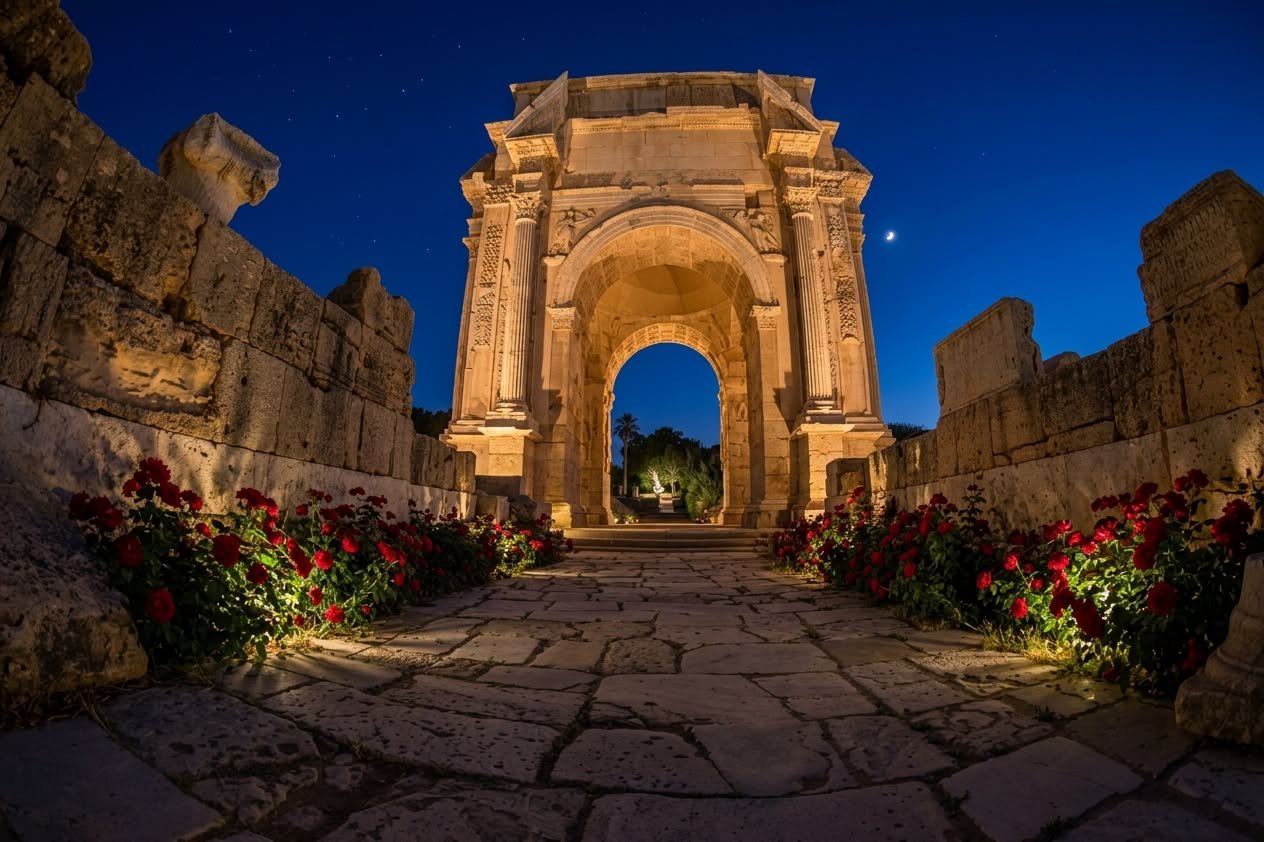
Coast · Cyrenaica · Oases · Sahara
Why the best Places to Visit in Libya are so different
Places to Visit in Libya cover a range of history and landscapes that can surprise first-time visitors. Along the Mediterranean coast are ancient cities shaped by Phoenician, Punic and Roman history. In Cyrenaica, Greek archaeology introduces another cultural world. Farther south, oasis towns and Saharan settlements reveal societies adapted to a very different environment.
Libya has five properties on the UNESCO World Heritage List: Cyrene, Leptis Magna, Sabratha, the Old Town of Ghadames and the Rock-Art Sites of Tadrart Acacus. They represent Greek archaeology, Roman urbanism, oasis architecture and prehistoric Saharan culture.
They are only part of the experience. Tripoli adds markets, museums, historic streets and modern city life. Benghazi introduces eastern urban Libya. Germa tells the story of the Garamantes, while Ubari and Waw al-Namus demonstrate how dramatically the Sahara changes from one area to another.
This guide is arranged as a landmark atlas. Each destination explains what makes the place distinctive and how it can fit within a larger private journey through Libya.
For broader trip preparation, see our Travel to Libya guide and explore our private Libya itineraries .
The Landmark Collection
12 Essential Places to Visit in Libya
These destinations are not ranked from first to last. Each one adds a different chapter to a journey through Libya, from ancient architecture and living cities to oasis heritage and remote desert landscapes.
Places to Visit in Libya: begin in Tripoli
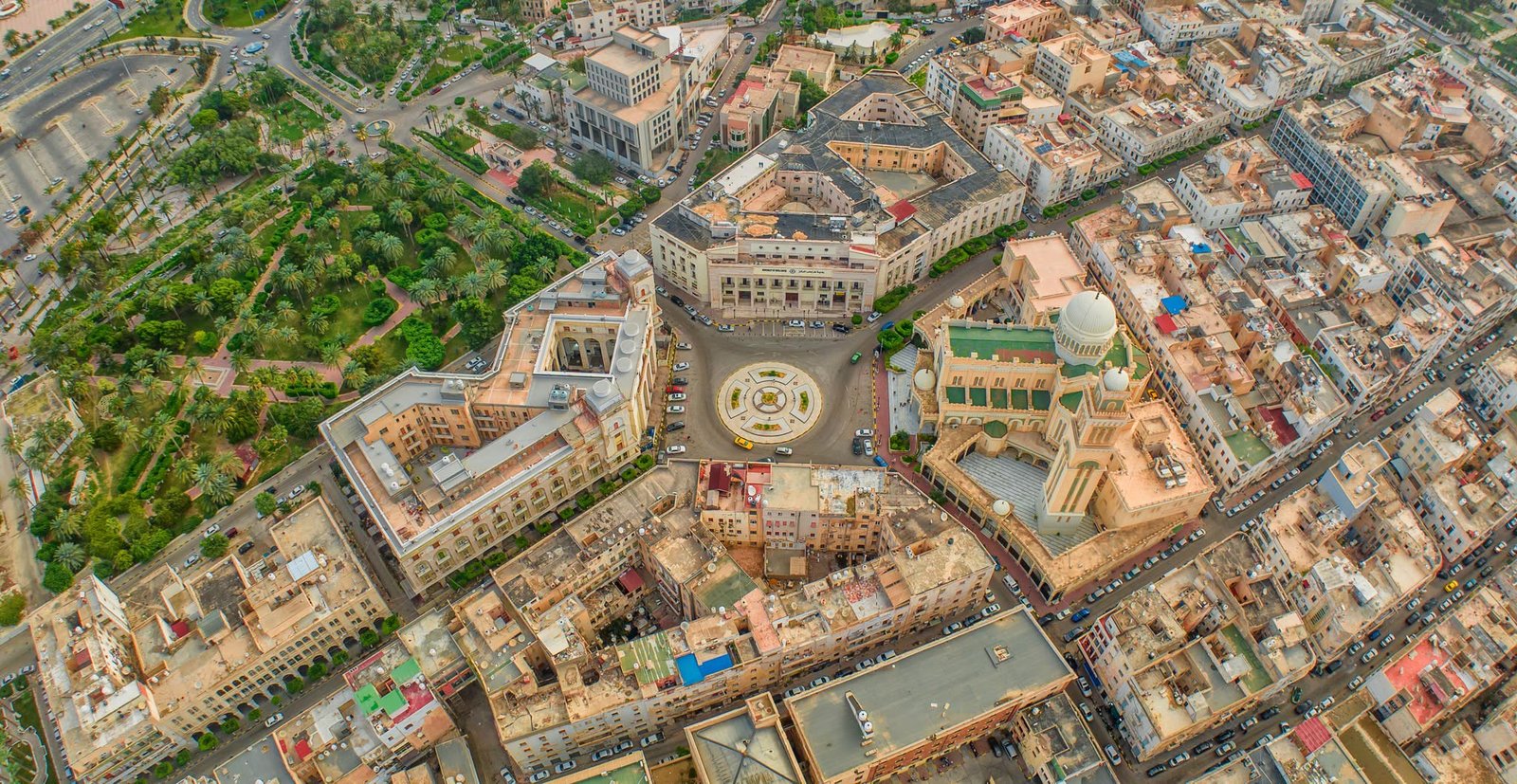
Tripoli combines a living Mediterranean capital with layers of historic architecture. The Old City is the natural starting point, where narrow streets lead through traditional markets, mosques, historic houses and the Arch of Marcus Aurelius.
Around Martyrs’ Square, the Red Castle and National Museum add another cultural dimension. The contrast between the historic medina and the larger modern city makes Tripoli useful as an introduction to Libya rather than simply an arrival point.
The city is also well positioned for journeys to Sabratha and Leptis Magna. See our Things to Do in Tripoli guide.
Leptis Magna: monumental Roman North Africa
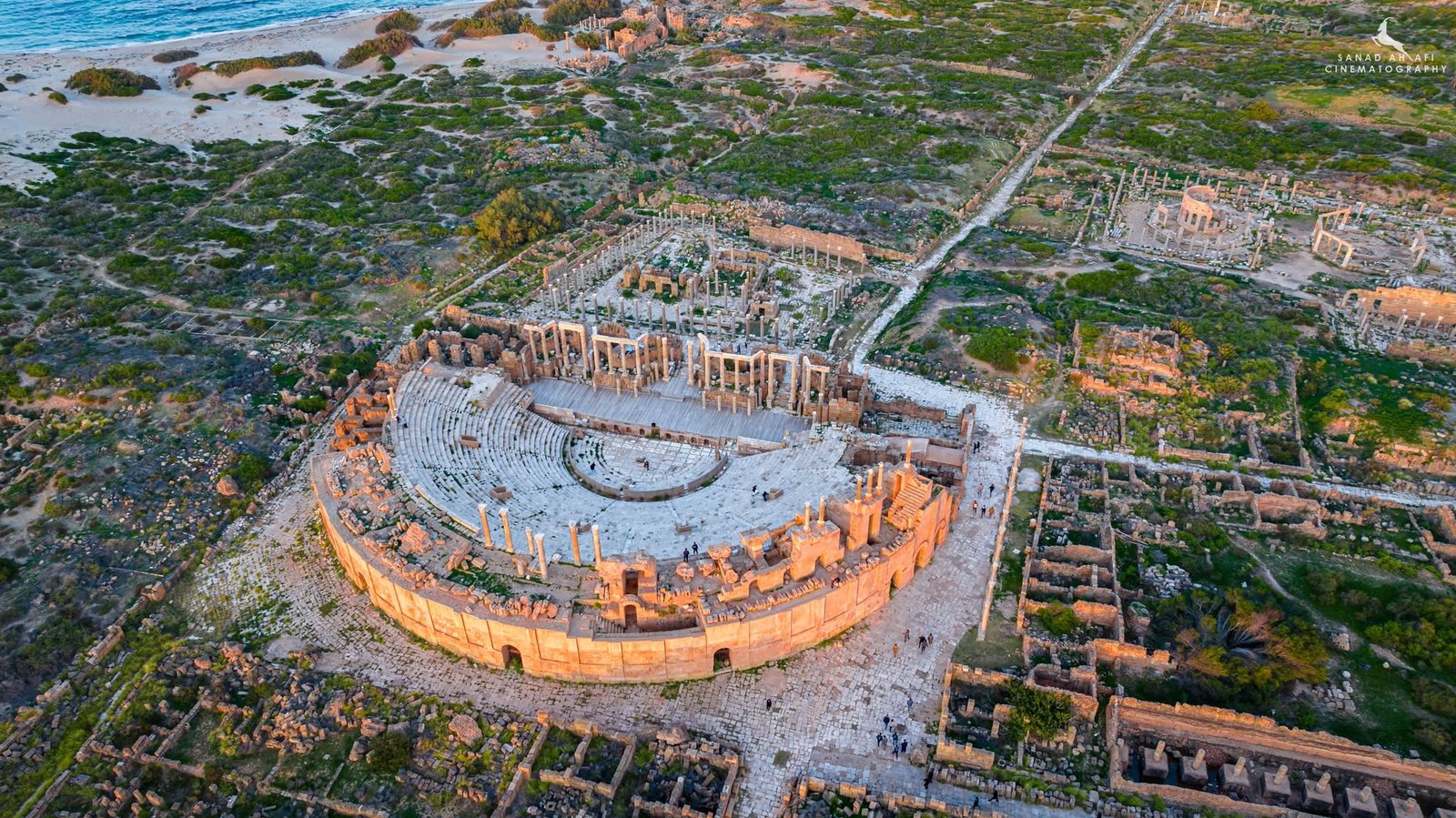
Leptis Magna is one of the signature archaeological Places to Visit in Libya. What began as a Phoenician settlement later developed into a major Roman city and reached an impressive monumental scale during the Severan period.
The Severan Forum, basilica, Hadrianic Baths, market, theatre, monumental streets and ancient harbour allow visitors to explore a complete urban landscape rather than one isolated monument.
Read our detailed Leptis Magna Libya guide .

Sabratha: archaeology beside the Mediterranean
Sabratha grew from a Phoenician trading settlement and later became an important Roman city. Its position beside the Mediterranean gives the archaeological site a different atmosphere from inland ruins.
The famous theatre is only the beginning. Visitors can also explore temples, baths, streets, houses and archaeological collections that reveal both Punic and Roman phases of the city.
Continue with our Roman Site of Sabratha guide.
Ghadames: an entire town designed for desert life
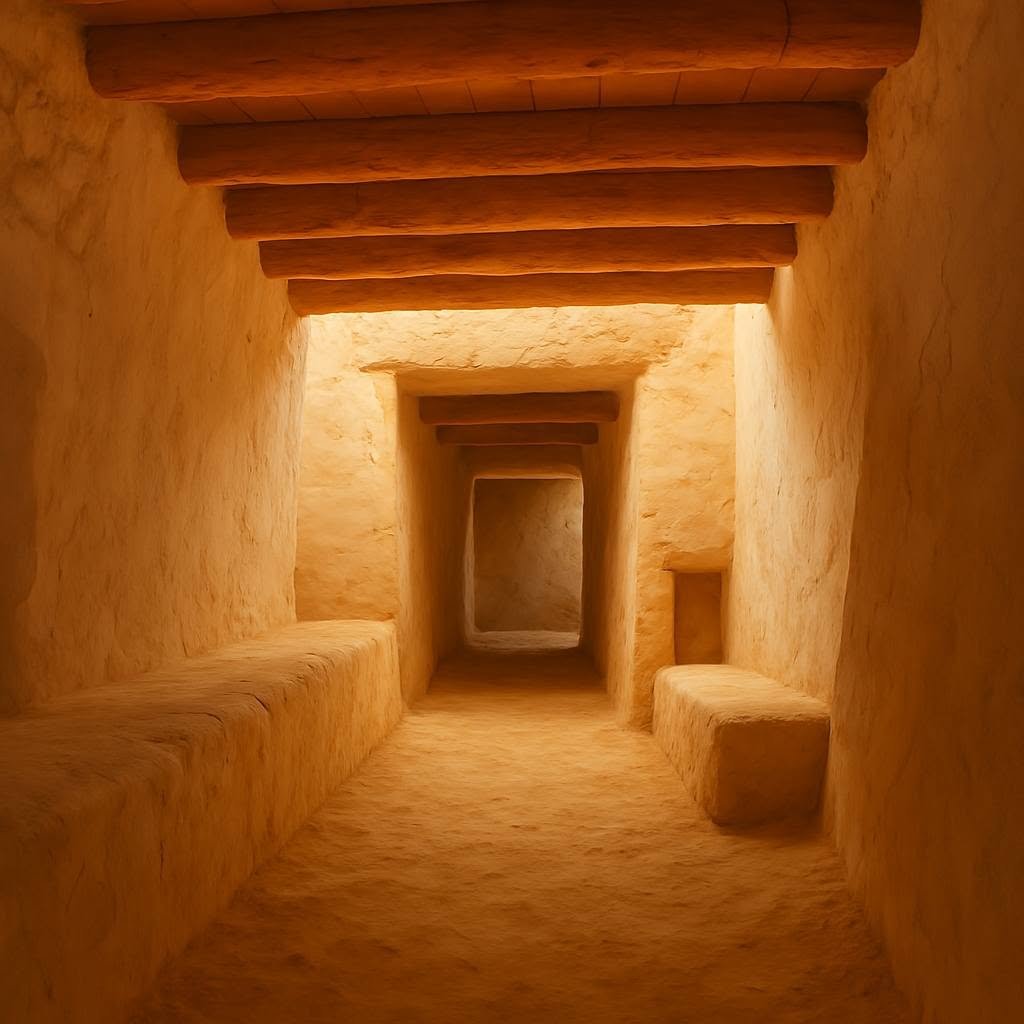
Among the cultural Places to Visit in Libya, Ghadames stands apart because the attraction is not one monument. The old town is an interconnected architectural environment shaped by climate, community and traditional patterns of daily life.
Thick walls, covered passages and carefully controlled light help create cooler interior spaces. Walking through the old town reveals how architecture responded to Saharan heat long before modern air conditioning.
Decorative interiors add another layer. The experience is intimate and human-scale, completely different from the giant monuments of Leptis Magna or Cyrene.
Ghadames fits naturally into Tripolitania & Ghadames – 7 Days .
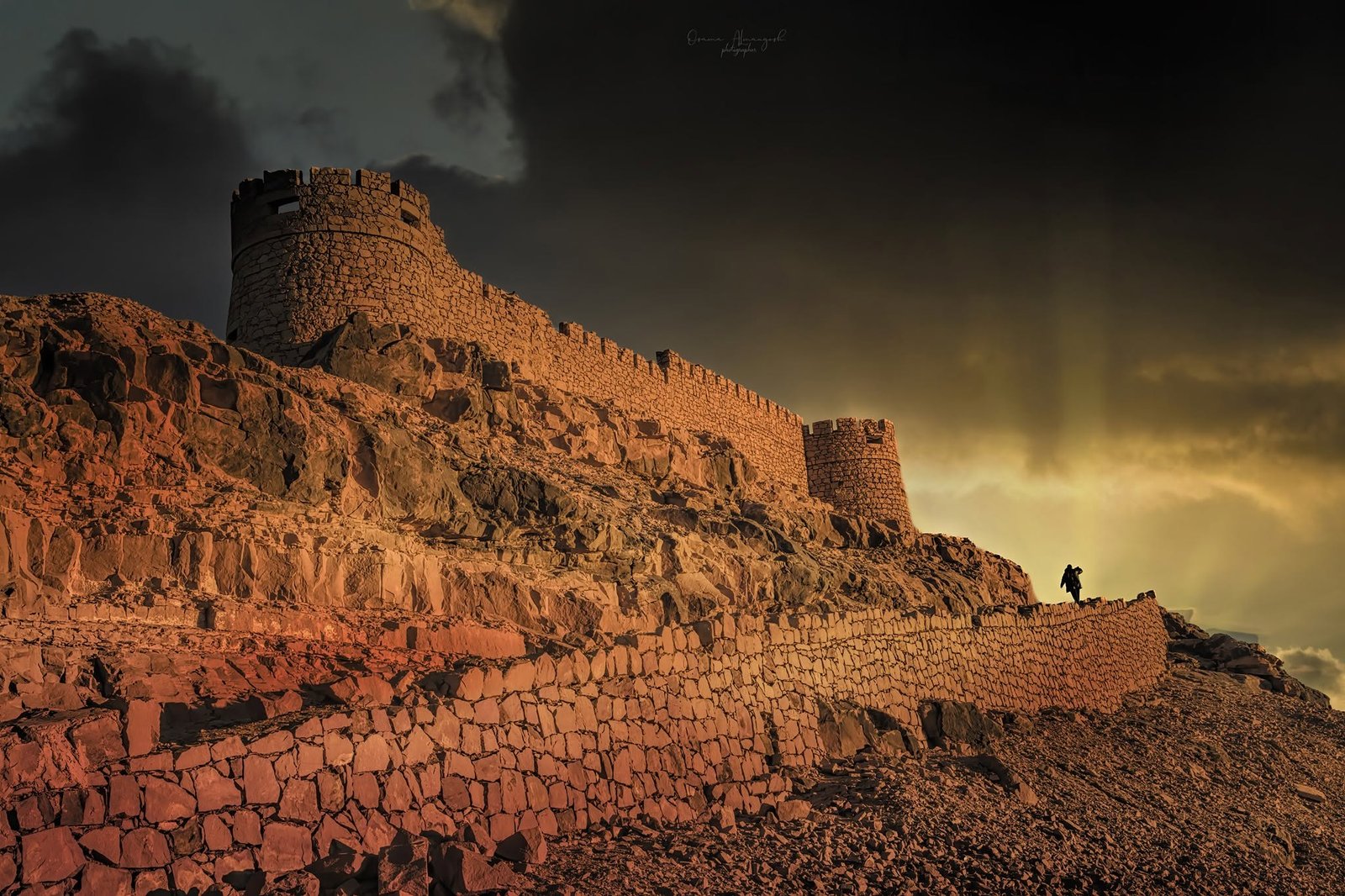
Ghat: culture at the edge of the deep Sahara
Ghat combines oasis history with the dramatic stone landscapes of southwestern Libya. Its historic town and fortress give travelers a cultural introduction before entering the desert terrain farther south.
The town also serves as a natural gateway to Tadrart Acacus. This relationship between living oasis culture and prehistoric landscape is one reason Ghat deserves more than a quick stop.
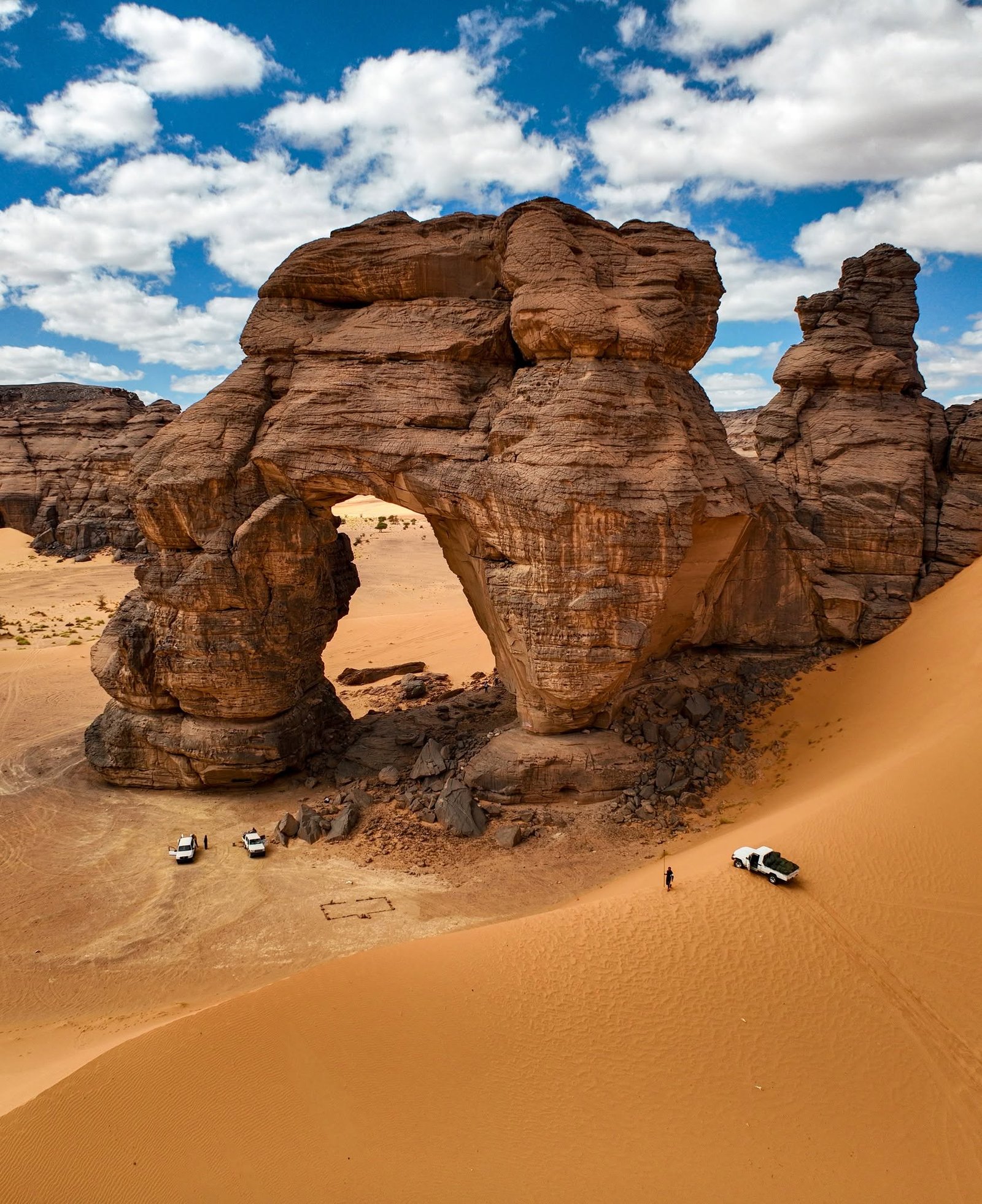
Tadrart Acacus: art inside a monumental desert landscape
Tadrart Acacus combines prehistoric heritage with towering sandstone formations, natural arches, valleys and desert scenery. Thousands of paintings and engravings preserve evidence of people, animals and environmental change across long periods of Saharan history.
The art remains within the landscape that shaped it, making an Acacus journey fundamentally different from viewing archaeological objects inside a museum.
Explore our Tadrart Acacus Rock Art guide.
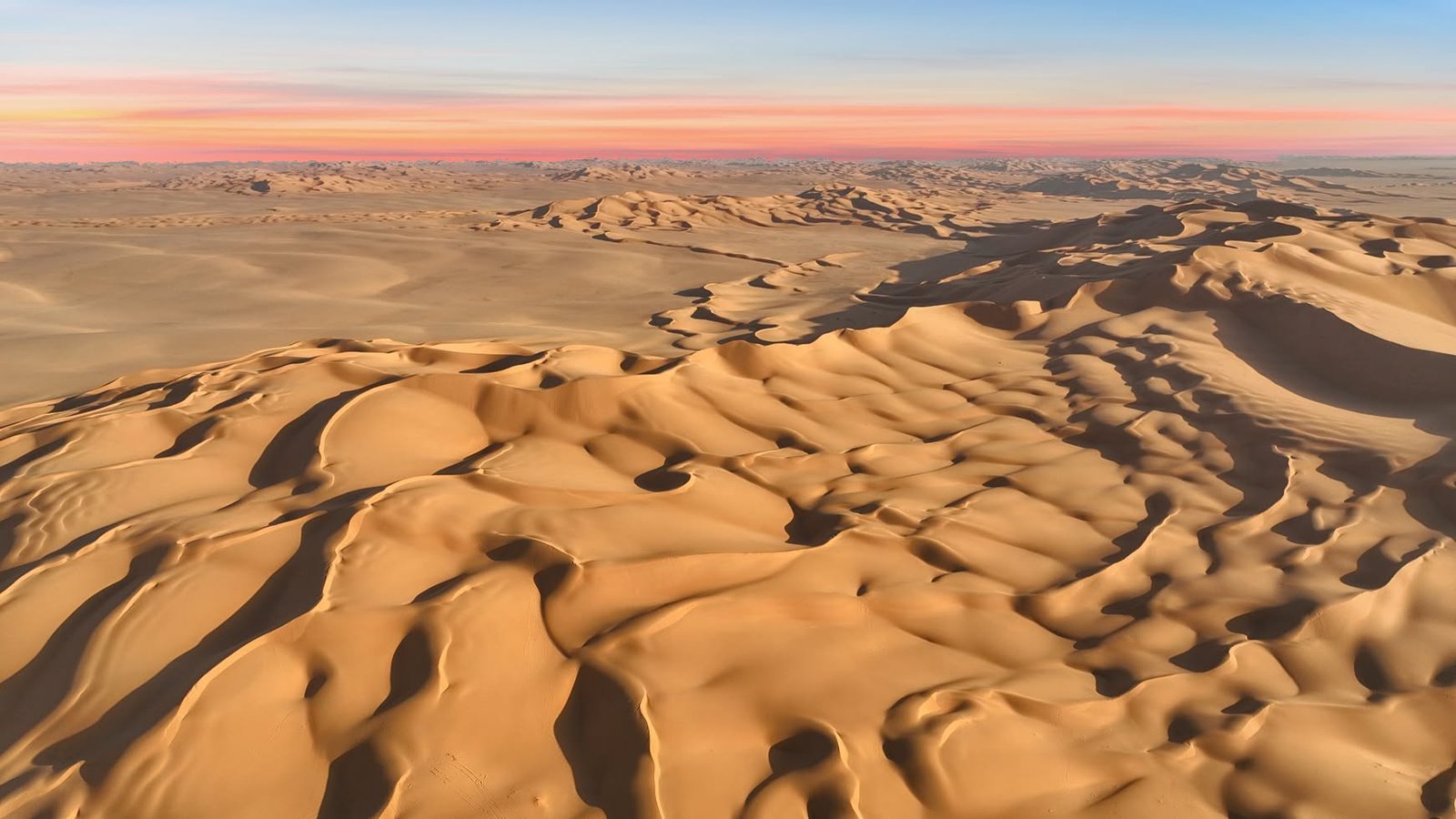
Places to Visit in Libya for classic Sahara scenery: Ubari
The Ubari Sand Sea delivers the Sahara many travelers imagine: vast horizons, sculpted ridges of golden sand and constantly changing patterns of light and shadow. Yet the region offers more than dunes alone.
Oasis landscapes and desert lakes create unexpected contrasts of water, vegetation and sand. Camping turns the landscape into an experience that continues after sunset.
Travelers who prefer a slower desert experience can explore the region through walking and camel-supported trekking. See our Ubari Camel Trek – 8 Days .
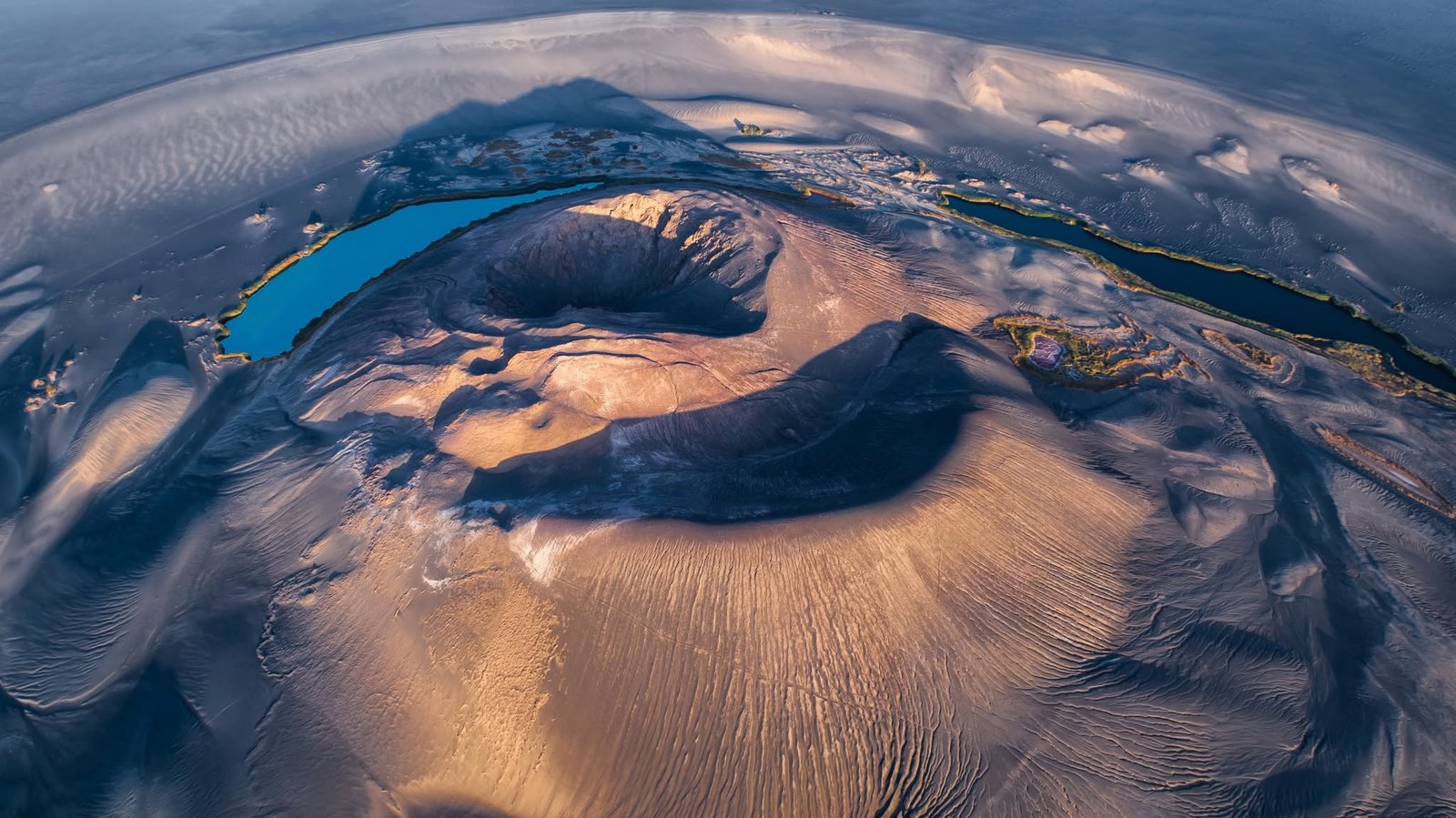
Waw al-Namus: another face of the Libyan Sahara
Waw al-Namus demonstrates why the Sahara should never be reduced to endless golden dunes. Its volcanic terrain, crater and contrasting lakes create one of the most unusual landscapes in the country.
From above, the combination of dark volcanic material, water and surrounding desert is especially striking. Reaching the area belongs to the expedition side of desert travel.
Discover more in our Sahara Desert in Libya guide.
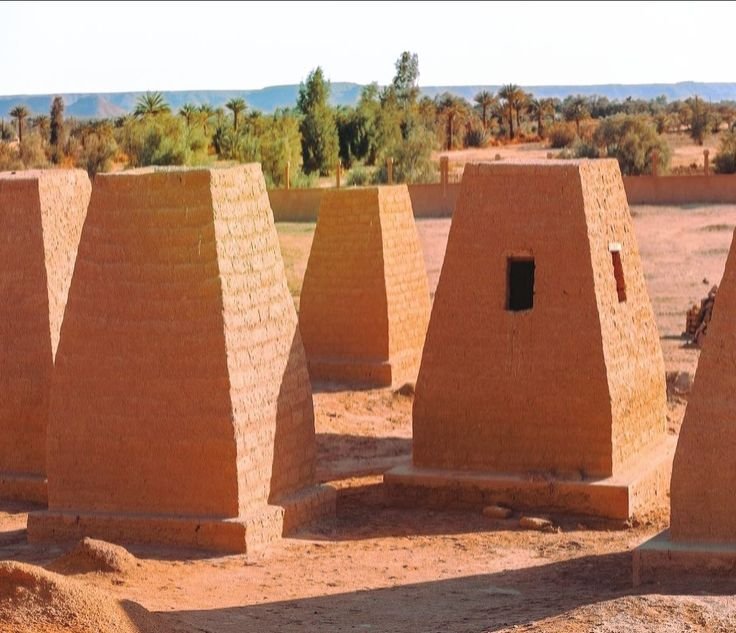
Germa: the Garamantian story of Fezzan
Germa introduces an ancient history very different from the Roman and Greek cities of the Mediterranean. Ancient Garama became an important center of the Garamantes within the oasis landscape of Wadi al-Ajal.
Archaeological remains and museum collections help explain oasis settlement, trade, burial traditions and life in a Saharan environment. Visiting Germa adds an essential southern chapter to the history represented by the best Places to Visit in Libya.
The site is especially meaningful when explored together with the surrounding valley and nearby archaeological remains, allowing visitors to understand how Garamantian communities adapted to life deep within Fezzan.
Read our Visiting Germa guide.
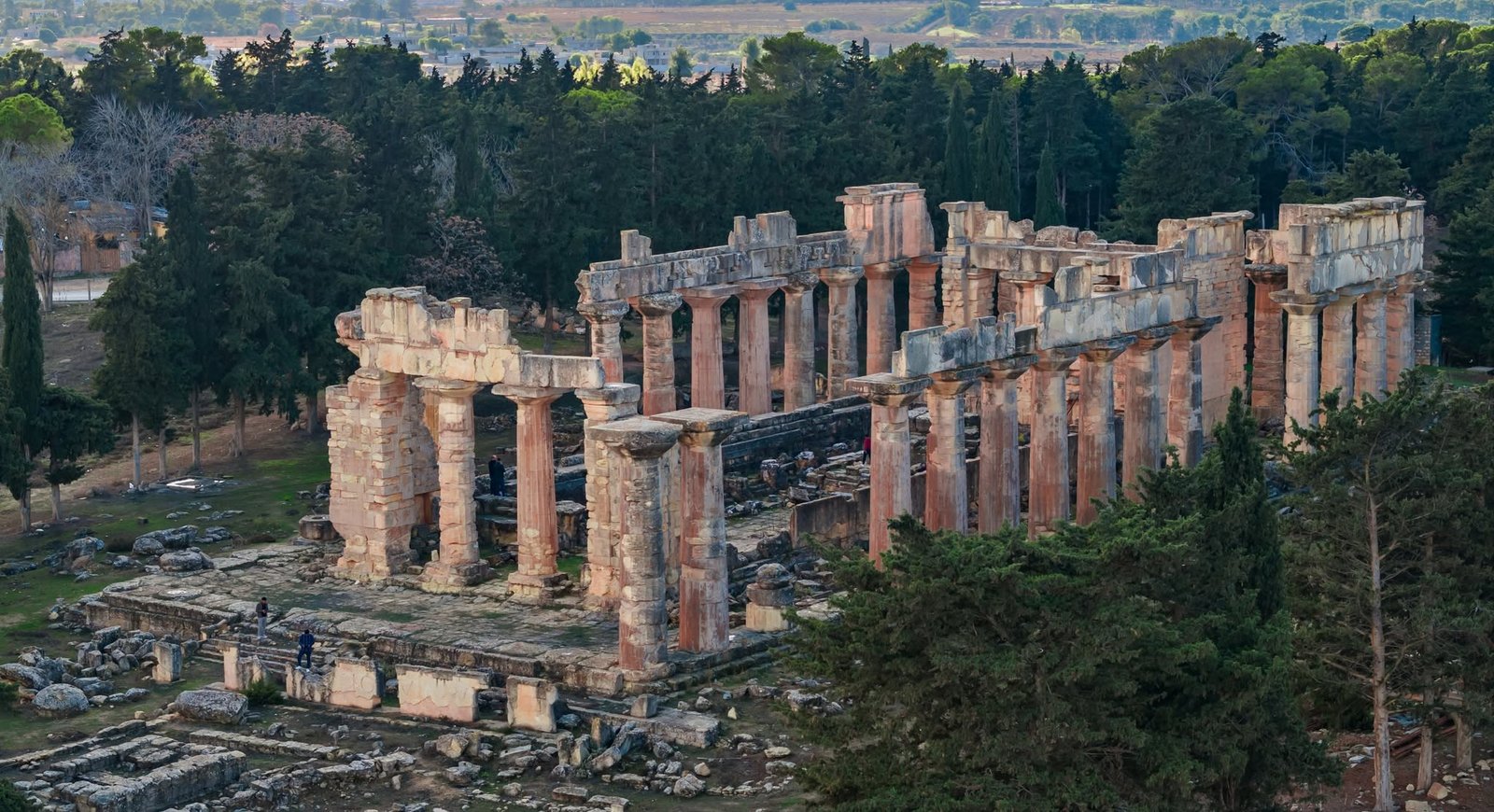
Cyrene: the Greek chapter of Places to Visit in Libya
Cyrene brings Greek archaeology to a Libya itinerary. Founded in antiquity in the highlands of Cyrenaica, the city developed into one of the major Greek centers of North Africa before continuing through later historical periods.
Sanctuaries, temples, public buildings and extensive archaeological remains create an experience that feels very different from the monumental Roman urbanism of Leptis Magna.
Geography adds to that difference. The greener highland environment of eastern Libya provides a distinct backdrop and reminds visitors how varied the country becomes between the coast, mountains and Sahara.
Cyrene is especially rewarding when paired with nearby Apollonia, allowing travelers to understand the relationship between the inland city and its Mediterranean port.
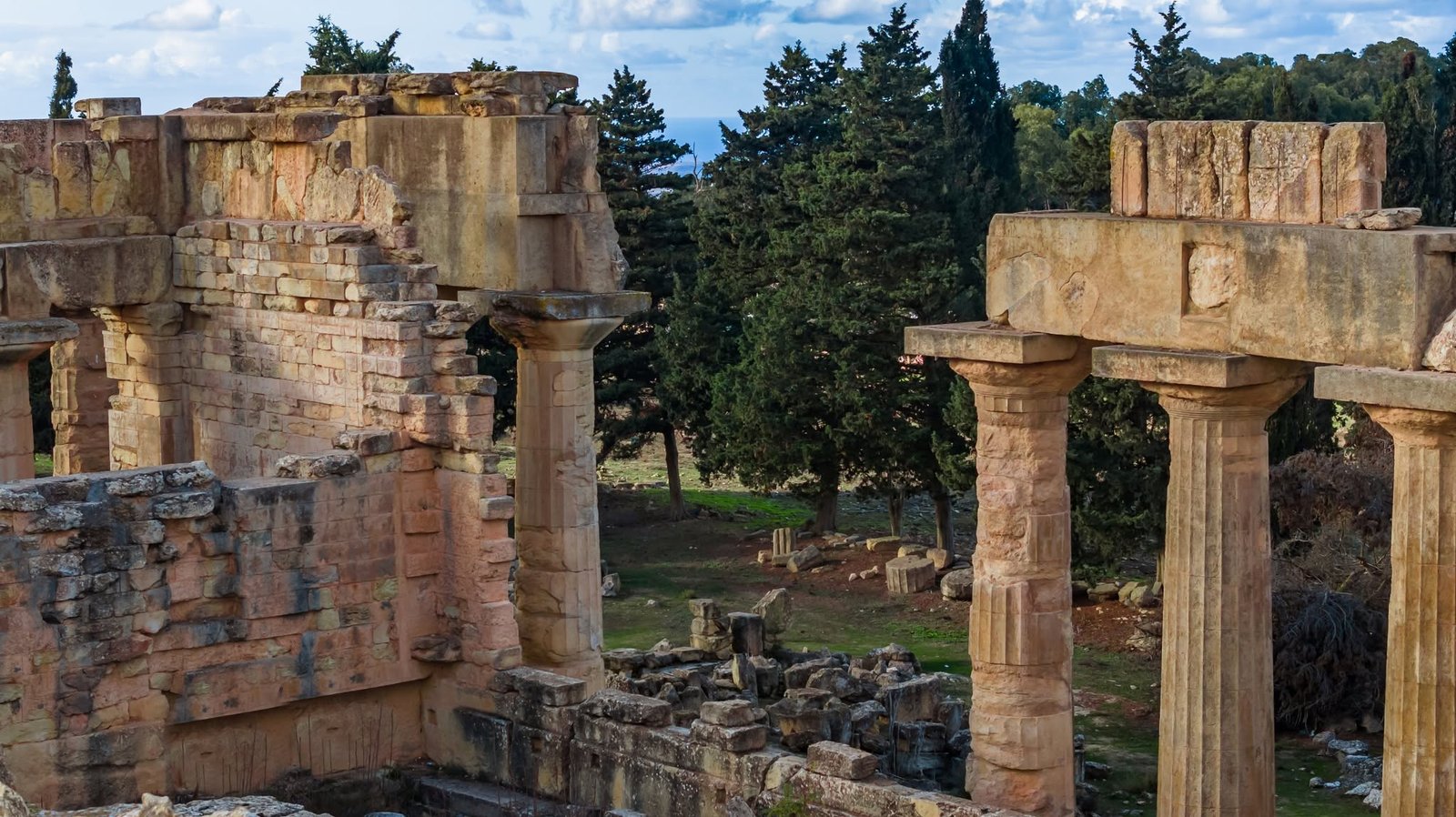
Apollonia: ancient Cyrenaica beside the sea
Ancient Apollonia, beside modern Susa, served as the port of Cyrene. This maritime role gives it an important place in understanding the ancient geography of eastern Libya.
Greek foundations were followed by Roman and Byzantine development. The archaeological remains include monumental buildings, churches, streets and structures overlooking the Mediterranean.
Visiting Apollonia after Cyrene turns two separate archaeological sites into one connected historical story.
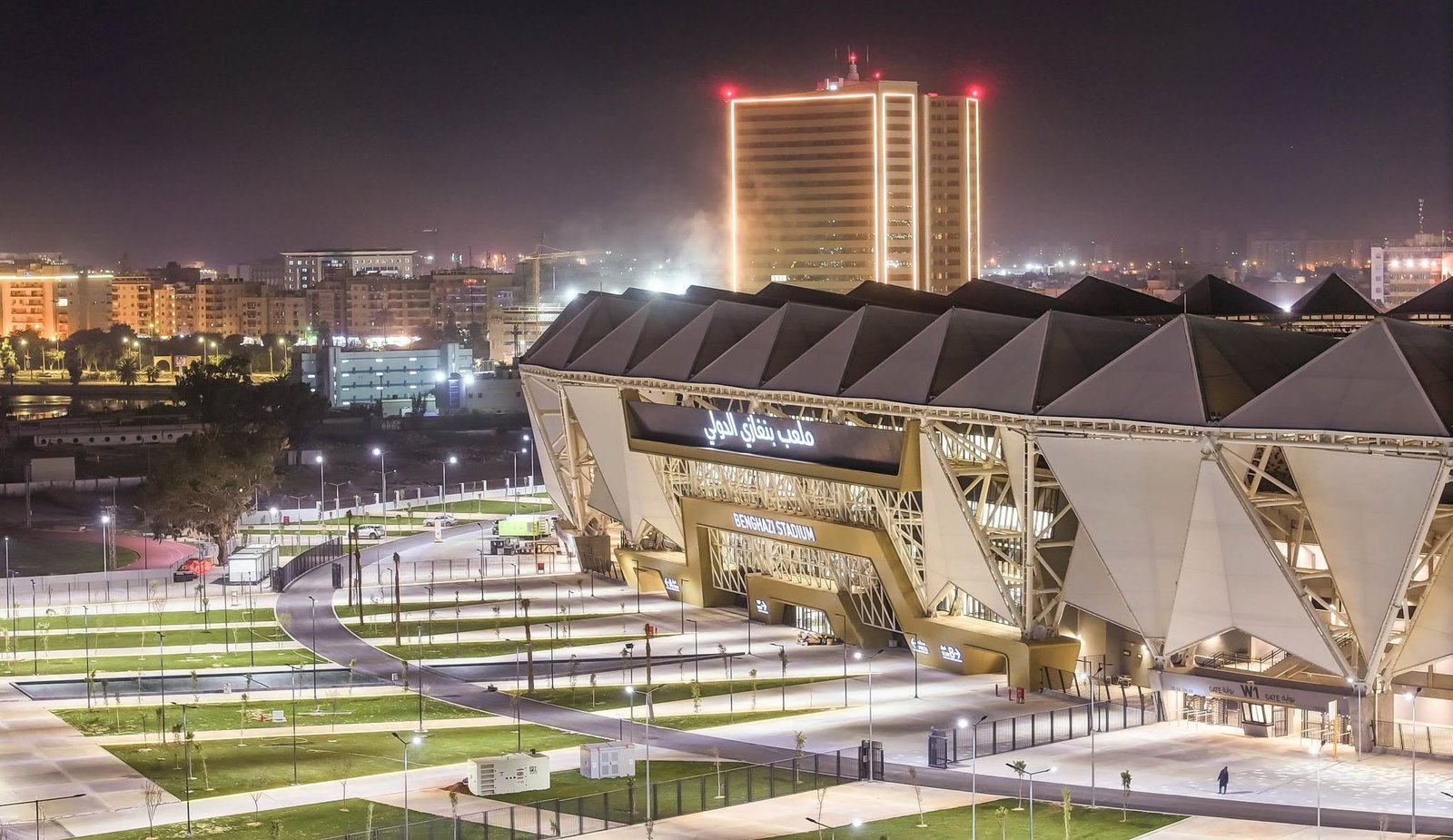
Benghazi: the contemporary gateway to eastern Libya
Benghazi adds a modern urban chapter to an eastern Libya journey. Including living cities alongside archaeology gives travelers a broader picture of the country than visiting ruins alone.
The city works naturally as part of a wider Cyrenaica route linking Benghazi with the Green Mountain, Cyrene and Apollonia.
Explore our Best Cities to Visit in Libya guide.
Interactive Landmark Atlas
Map of the best Places to Visit in Libya
Western archaeology, eastern Cyrenaica and the landscapes of Fezzan form distinct geographic clusters. The map helps show why a good Libya itinerary is normally planned region by region.
Choose Your Experience
Places to Visit in Libya by travel interest
You do not need to see every destination on one trip. A stronger itinerary begins with the history, culture and landscapes that interest you most.
Leptis Magna & Sabratha
Forums, theatres, baths, temples, monumental streets and two very different ancient Mediterranean cities.
Cyrene & Apollonia
Explore Greek Cyrenaica and the historical relationship between an important inland city and its ancient Mediterranean port.
Ghadames & Ghat
Traditional architecture, oasis settlement and Saharan culture create a completely different experience from the coastal archaeological cities.
Tadrart Acacus
Rock paintings and engravings remain embedded within a remarkable sandstone landscape in southwestern Libya.
Ubari & Waw al-Namus
Compare golden dune landscapes and desert lakes with the striking volcanic terrain of the central Sahara.
Germa
Explore the history of the Garamantes and see how ancient communities developed within the oasis environment of Fezzan.
Journey Logic
How to combine Places to Visit in Libya
A good first trip does not need to include all twelve destinations. Libya covers a large area, so concentrating on compatible regions usually creates a stronger experience than moving rapidly across the country.
A western cultural route can begin in Tripoli and continue to Sabratha and Leptis Magna. It combines a living capital, museums, markets and two major archaeological landscapes.
Travelers interested in a wider ancient history can add eastern Libya. Benghazi works as an urban gateway, while Cyrene and Apollonia introduce Greek Cyrenaica.
Southern Libya deserves a slower rhythm. Germa, Ubari, Ghat and Acacus connect Garamantian archaeology, dunes, oasis culture and prehistoric rock art. Waw al-Namus suits a more remote desert expedition.
Tripoli
Old City, National Museum and the cultural introduction to Libya.
Ancient Coast
Sabratha and Leptis Magna for Punic and Roman heritage.
Cyrenaica
Benghazi, Cyrene and Apollonia for eastern Libya and Greek history.
Fezzan
Germa, Ubari, Ghat and Acacus for a cultural Sahara journey.
Planning Better
How to experience Places to Visit in Libya properly
Give archaeological sites enough time. Leptis Magna, Sabratha and Cyrene are city-scale sites. Their value is not simply seeing one famous structure but understanding streets, public buildings and the relationship between them.
Treat the Sahara as part of the journey. Desert travel is not only about arriving at a landmark. Changing light, long horizons, camp life and movement between dunes, rocks and oases are part of the experience.
Use regional connections. Cyrene makes more sense beside Apollonia. Ghat adds context before Acacus. Germa and Ubari together reveal both human and natural history in Fezzan.
Choose the right season for desert exploration. The cooler period from roughly October through April is generally more comfortable for extended outdoor activities in the Sahara.
For additional planning, read our Libya Travel Tips and Getting Around Libya guides.
World Heritage
Five UNESCO sites connect several Places to Visit in Libya
Libya has five properties inscribed on the UNESCO World Heritage List: the Archaeological Site of Cyrene, Archaeological Site of Leptis Magna, Archaeological Site of Sabratha, Old Town of Ghadames and Rock-Art Sites of Tadrart Acacus.
Their variety is significant. They cover Greek archaeology, Roman cities, Saharan oasis architecture and prehistoric rock art.
For the official records, visit UNESCO World Heritage – Libya .
Frequently Asked Questions
Places to Visit in Libya FAQ
What are the best Places to Visit in Libya for a first trip?
What are the best Roman archaeological sites in Libya?
Where can I see Greek archaeology in Libya?
What are the best Places to Visit in Libya in the Sahara?
Why should I visit Germa?
How many UNESCO World Heritage properties are in Libya?
What is the best time to explore the Libyan Sahara?
Can Libya Adventures create a private itinerary around these places?
Continue Exploring
More guides for planning your Libya journey
Plan Your Libya Journey
Turn these landmarks into one carefully planned private itinerary
Libya Adventures has been organizing journeys in Libya since 2011. Tell us which ancient cities, oasis towns and Sahara landscapes interest you, and we can discuss a route that connects the experiences instead of simply checking places off a list.
Request a Private Libya Itinerary →