

Mediterranean Coast · Ancient Cities · Sahara
Travel to Libya: 2026 Guide to Visas, Culture & Tours
Plan a journey through Libya’s Roman cities, historic medinas, Mediterranean coast and Sahara landscapes with practical information for preparing your trip.
Why travel here?
Libya One journey can combine Mediterranean cities, ancient civilizations and the Sahara.A country of archaeology, desert and living culture
Libya rewards travellers who are interested in more than one kind of experience. Along the Mediterranean, ancient cities such as Leptis Magna, Sabratha and Cyrene preserve some of North Africa’s most remarkable archaeological landscapes.
Inland, the character of the journey changes completely. Historic oasis towns, vast dune systems and the landscapes of Fezzan introduce another side of the country, while Tripoli provides a modern starting point with its old medina, waterfront and everyday city life.
Because travel arrangements, access and entry requirements can change, a successful Libya trip begins with careful planning rather than simply booking a flight and deciding the details later.
Start here
What to check before you travel to Libya
Visa rules, passport requirements and practical arrangements depend on your nationality and purpose of travel. Confirm the details that apply to you before making non-refundable bookings.
Check your visa route
Visa procedures vary by nationality and purpose of travel. Confirm whether your journey uses an eVisa, embassy procedure or another approved process.
Check passport validity
Review the current passport validity and blank-page requirements that apply to your nationality before beginning the application.
Confirm your route
Finalise the main places you want to visit so transport, accommodation and local arrangements can be planned together.
Confirm before booking
Flight schedules and connections can change. Check your confirmed trip arrangements before buying non-refundable tickets.
Review official travel advice
Check the latest government travel advice issued for your nationality and understand how it affects your own travel decision.
Check your coverage
Read your insurance terms carefully and make sure the policy is appropriate for your destination, itinerary and planned activities.

Mediterranean Libya
Start with Tripoli and the coast
Tripoli is the country’s capital and a natural starting point for many journeys. Its old medina, city streets, mosques, cafés and Mediterranean setting provide a very different experience from the Sahara further south.
From Tripoli, historical journeys can continue west toward Sabratha or east toward Leptis Magna, creating an itinerary that combines modern Libya with two major Roman archaeological sites.
Travelling along the coast also helps show how strongly Libya’s history has been connected with the Mediterranean for thousands of years.
World Heritage
Libya’s five UNESCO World Heritage Sites
Libya currently has five properties inscribed on UNESCO’s World Heritage List, ranging from classical cities to oasis architecture and prehistoric rock art.
Leptis Magna
A major ancient Mediterranean city known for its monumental Roman architecture.
Sabratha
An ancient coastal city whose remains include its celebrated theatre and Roman monuments.
Cyrene
One of the most important archaeological sites of ancient Cyrenaica in eastern Libya.
Ghadamès
A historic oasis town with a distinctive traditional urban design adapted to desert life.
Tadrart Acacus
A Saharan landscape containing an extraordinary record of prehistoric rock art.
Official listing: UNESCO World Heritage Centre – Libya .
Where to go
Places to include in a Libya itinerary
The best route depends on your interests and available time. These regions show how varied a journey through Libya can be.
Tripoli
Explore the old medina, historic streets, coastal atmosphere and the everyday life of Libya’s capital.
See our itineraries →Leptis Magna & Sabratha
Two of Libya’s great archaeological sites can be incorporated into journeys based around Tripoli and the Mediterranean coast.
Roman Archaeological Tour →Cyrene & Benghazi
Eastern Libya combines the archaeology of ancient Cyrenaica with modern Benghazi and a different coastal landscape.
Historical Libya →Ghadamès
The old oasis town provides a very different architectural and cultural experience from Libya’s coastal cities.
Tripolitania & Ghadames →Germa & Ubari
Southern journeys can combine Garamantian history, dune landscapes, desert lakes and multi-day Sahara travel.
Ubari Camel Trek →Tadrart Acacus
Acacus is known for dramatic desert formations and prehistoric rock art that records thousands of years of human presence in the Sahara.
Ask about desert journeys →Southern Libya
The Sahara changes the whole journey
Leave the Mediterranean behind and Libya becomes a landscape of dunes, oasis settlements, rocky formations, desert lakes and long horizons.
Travel deeper into Fezzan
Southern Libya offers a very different experience from the coast. The journey itself becomes part of the trip as distances increase and towns give way to open desert.
Around Ubari, travellers encounter dune fields, desert lakes and camp-based journeys. Germa adds the history of the Garamantes, while longer desert programmes can focus on landscapes and rock-art regions.
Desert travel requires more planning than an ordinary city stay. Routes, transport, supplies, accommodation and seasonal conditions should all be confirmed before departure.
Explore the Ubari Camel Trek →Everyday travel
Culture, customs and respectful travel
Respect for local customs makes travel easier and more meaningful. Libya is culturally conservative, but visitors do not need to turn respectful dress into an exaggerated list of rules.
Lightweight, modest clothing is a practical choice, particularly when visiting religious sites, traditional neighbourhoods and smaller communities.
Be considerate when photographing people and avoid assuming that everyone is comfortable being included in a photograph.
During Ramadan, daily routines and opening times may change. Visitors should be considerate of people who are fasting during daylight hours.
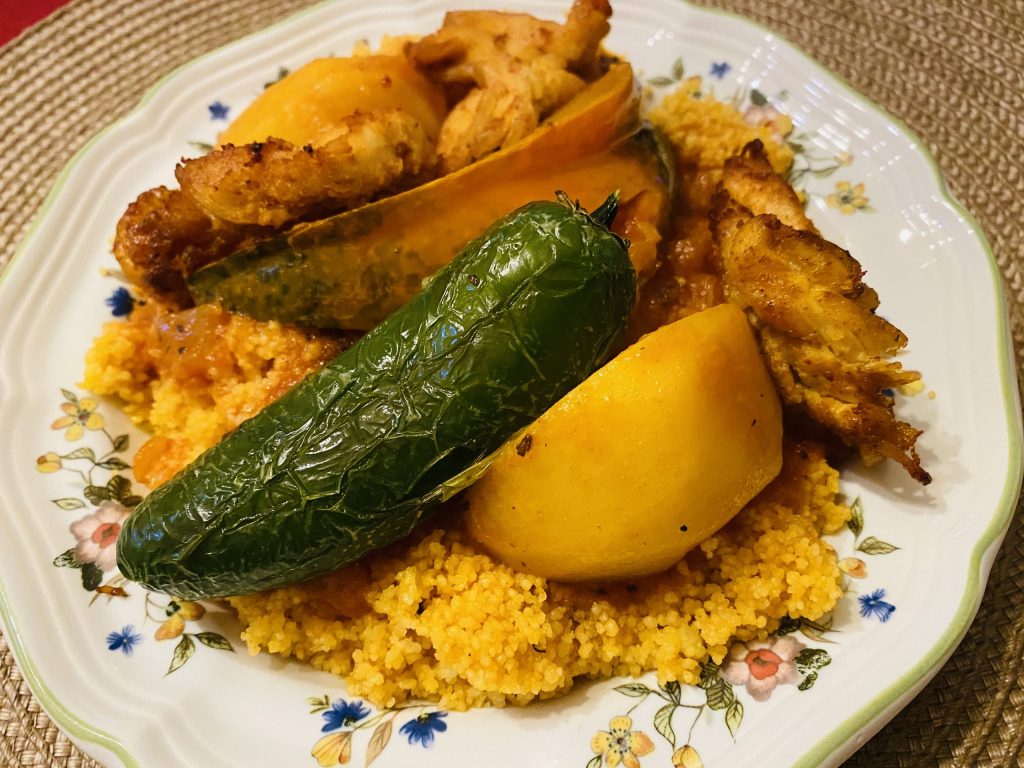
Libyan food
Make room for the local table
Libyan food reflects Mediterranean, North African and Saharan influences. Couscous, meat, vegetables, chickpeas, tomato-based sauces, breads and spices appear in many home-style meals.
Food is also part of hospitality. Tea, coffee and shared meals often become some of the simplest but most memorable parts of a journey.
Rather than turning a travel guide into a recipe book, our advice is straightforward: try local dishes when the opportunity comes and ask your hosts or guide about regional specialties.
Practical travel
Money, transport and day-to-day planning
Libya is not a destination where every practical detail should be left until arrival. Confirm the essentials before the trip.
Cash remains useful because card acceptance can vary. Ask what payment methods will be practical for your itinerary before you arrive.
Distances between regions can be substantial. Private vehicle arrangements and domestic connections should be planned as part of the itinerary.
Flights can be useful for longer distances, but schedules may change. Build flexibility into journeys that depend on domestic air connections.
Connectivity varies by location. Expect stronger service in major cities than on remote desert routes.
Comfortable modest clothing works well for most travel. For the desert, add strong sun protection and warmer layers for cooler evenings.
Ask before photographing people and follow local guidance around sensitive or restricted locations.
Choosing your dates
When is the best time to travel to Libya?
The right season depends on whether your itinerary focuses mainly on the coast and archaeology or includes extended time in the Sahara.
Cooler months are easier for exploring
Walking through large archaeological sites is usually more comfortable outside the hottest part of summer. The exact conditions vary between the coast, inland regions and eastern Libya.
October to April
Our current Ubari Camel Trek is planned for October through April, when extended time outdoors is generally more practical than during peak summer heat.
Libya Adventures
Choose the journey that matches your interests
You do not need to fit the whole country into one trip. Start with the part of Libya you most want to experience.
Ubari Camel Trek – 8 Days
A camel-supported journey into southern Libya with dunes, desert lakes and camp nights.
View itinerary →Tripolitania & Ghadames – 7 Days
Combine Tripoli and western archaeological heritage with the historic oasis town of Ghadames.
View itinerary →Historical Libya – 9 Days
A broader journey through major historical sites and cities in western and eastern Libya.
View itinerary →Roman Archaeological – 4 Days
A focused programme for travellers interested in Tripoli, Leptis Magna and Sabratha.
View itinerary →Before departure
Check current official travel information
Entry procedures, transport arrangements and government travel advice can change. Check the official guidance issued by your own government before deciding to travel.
For example, the U.S. Department of State currently lists Libya at Level 4 – Do Not Travel. Travellers from other countries should consult the equivalent official advice issued for their nationality.
Government advisories and your own travel decision are separate from the itinerary and visa-support services provided by a tour operator.
Frequently asked questions
Travel to Libya FAQ
Do I need a visa to travel to Libya?
What are the best places to visit in Libya?
How many UNESCO World Heritage Sites does Libya have?
When is the best time to visit the Libyan Sahara?
What should I wear when visiting Libya?
Can I use credit cards in Libya?
Can I visit Libya during Ramadan?
Can Libya Adventures arrange a private trip?
Continue planning
Essential Libya travel information
Ready to start planning?
Build your Libya journey with us
Tell us your preferred dates, number of travellers and the places you would most like to see. We can discuss a private itinerary and the practical arrangements for your proposed trip.
Send an Enquiry →