
Eastern Libya City Guide · 2026
Benghazi Libya: 12 Essential Places, Projects & Experiences
Benghazi Libya is entering a remarkable new chapter in 2026, combining Mediterranean city life with major investment in roads, airports, education, logistics, sports and waterfront development. This guide brings together the city’s travel appeal and the large projects reshaping its future.
Explore Benghazi ↓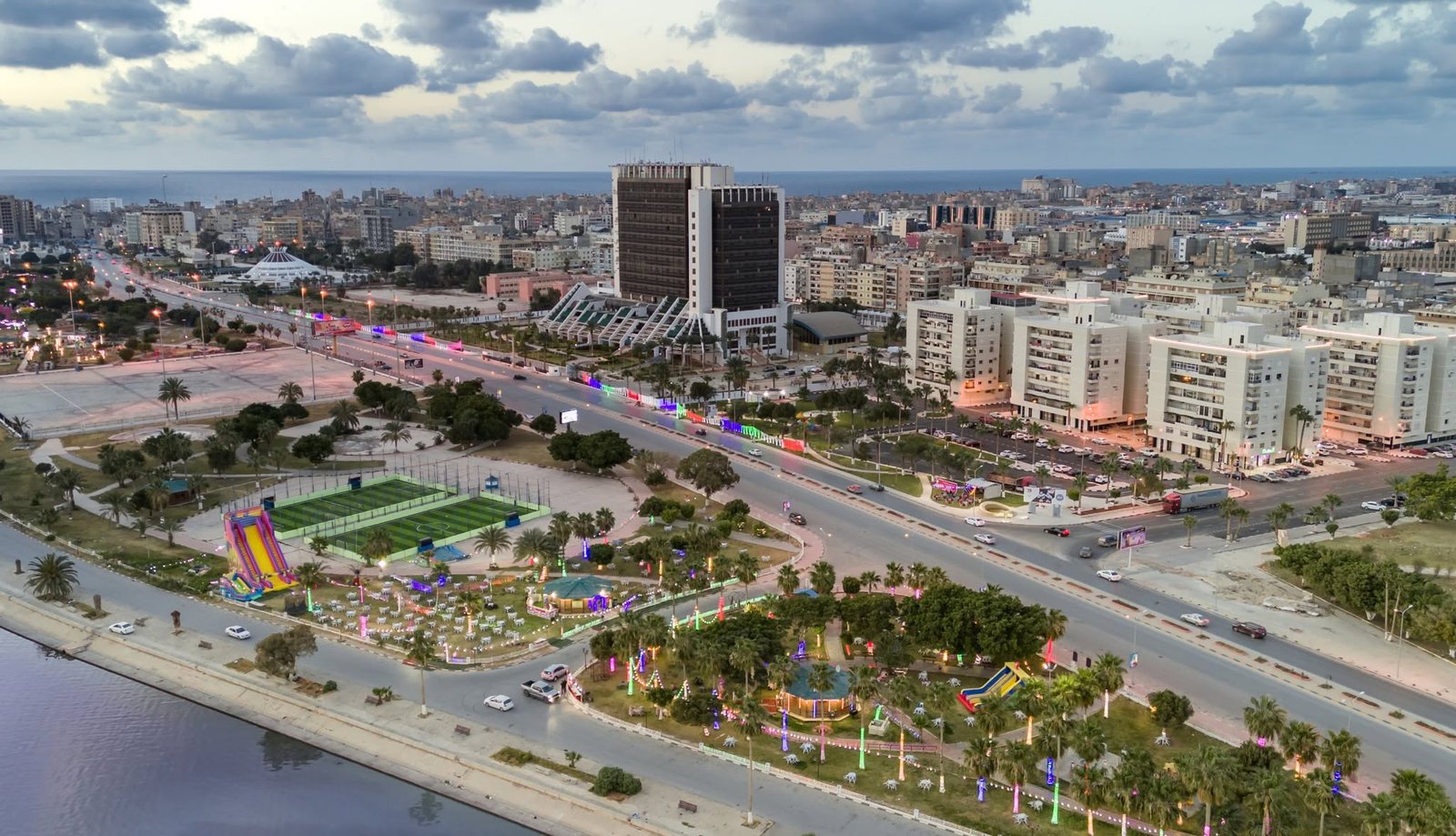
A Mediterranean City in Motion
Why Benghazi Libya deserves its own city guide
Benghazi Libya is far more than a transit point for eastern Libya. It is one of the country’s principal commercial, academic and cultural centers, with a Mediterranean waterfront, a major port, universities, hospitals, markets, hotels and a growing network of modern infrastructure.
For travelers, the city offers two experiences at once. There is the established Benghazi of local neighborhoods, cafés, historic streets and coastal life, and there is a rapidly changing city of construction sites, new bridges, renewed public institutions and large transport projects.
Benghazi is also a practical base for exploring Cyrenaica. From here, travelers can continue toward Cyrene near Shahat, Apollonia on the coast, the Green Mountain and other destinations of eastern Libya. That makes the city useful for both a dedicated urban stay and a wider private itinerary.
Our updated guide focuses on what makes Benghazi especially interesting in 2026: the combination of heritage, daily life and a visible wave of economic and urban renewal.
Benghazi 2026
The economic and urban renaissance reshaping Benghazi Libya
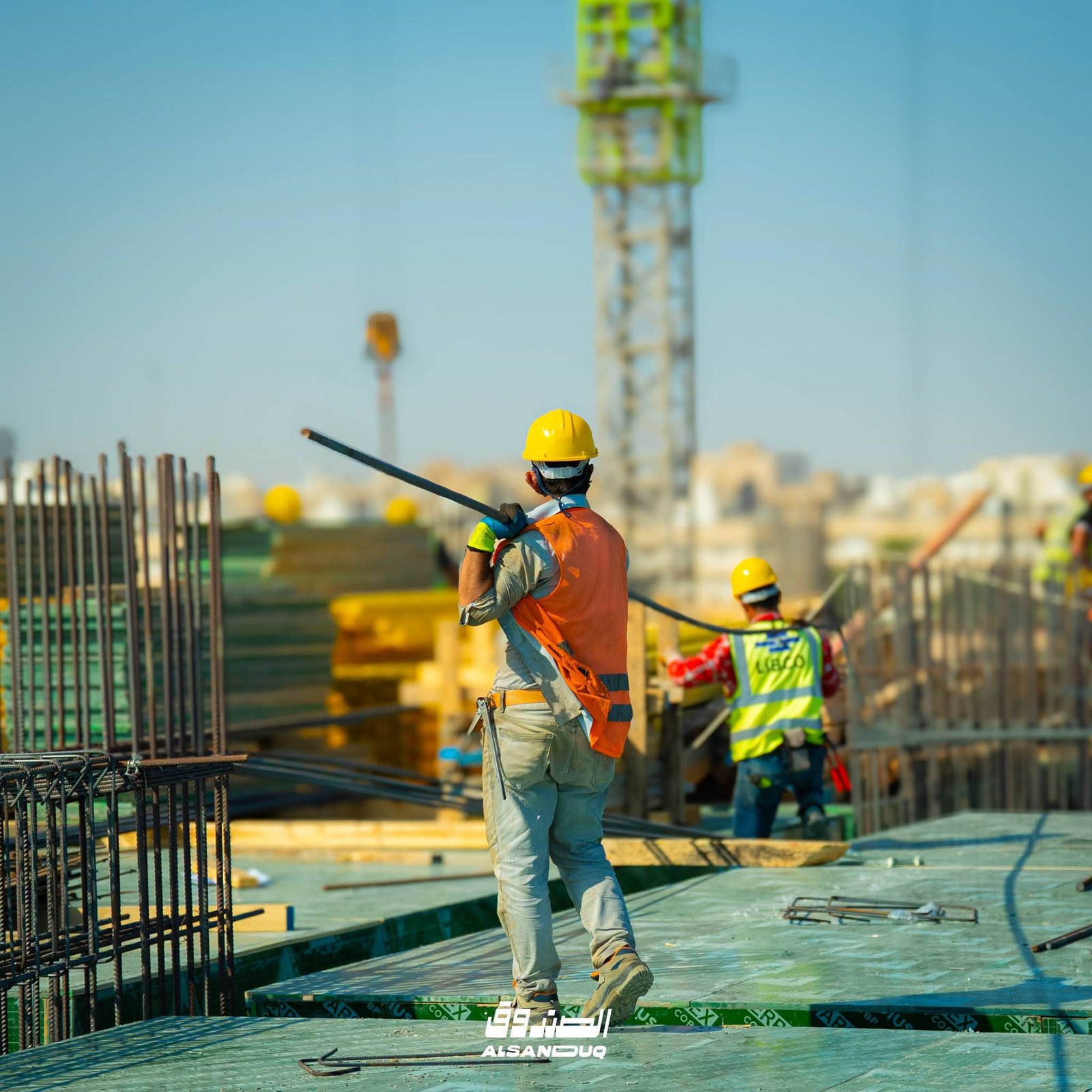
The current transformation is not built around one landmark project. It includes roads, bridges, airport facilities, university buildings, healthcare, sports venues, port logistics, public spaces and redevelopment of important districts.
The Libya Development and Reconstruction Fund is supervising many of these works, while the National Development Agency and other institutions are involved in additional strategic developments. Together, these projects are changing how residents move through the city and how businesses view Benghazi.
What makes the present phase notable in Benghazi Libya is the shift from individual repairs to larger connected systems. Transport corridors are being expanded, gateways are being modernized, academic facilities are being restored, and long-term planning is looking beyond the immediate city center.
For visitors, this means the city itself has become part of the story of modern Libya. The cranes, road works and newly completed public facilities are not separate from the travel experience; they show a city actively redefining its role.
Infrastructure & Mobility
Roads, bridges and the Greater Benghazi vision
Road construction is one of the clearest signs of change in Benghazi Libya. In 2026, the Development and Reconstruction Fund reported ongoing work on Hawari Road and the Fourth and Fifth Ring Roads, projects intended to improve circulation and support the city’s outward growth.
Another major corridor is the Qawarsha–Luweifiya road. Official project information describes a 17-kilometer route with eight main lanes, service roads in populated areas and three bridges. Projects of this scale can reduce pressure on older routes while connecting expanding residential and commercial zones.
In September 2026, the Fund also launched the Greater Benghazi competitive urban-planning initiative as part of work on a comprehensive plan for the city. The program brought together local and international specialists to consider infrastructure, expansion, sustainability and modern planning concepts.
For Benghazi Libya, the significance is economic as well as practical. A stronger road network improves access to workplaces, universities, the port and airport corridors. It also makes new districts more viable for housing, services and private investment.
Ring Roads
Projects on major circular routes are intended to improve movement across the expanding urban area.
New Bridges
Bridge construction is being used to reduce congestion and connect strategic traffic corridors.
Long-Term Planning
Greater Benghazi adds a metropolitan planning framework to the city’s current construction activity.
Jeliana
Jeliana is becoming a new waterfront and urban gateway
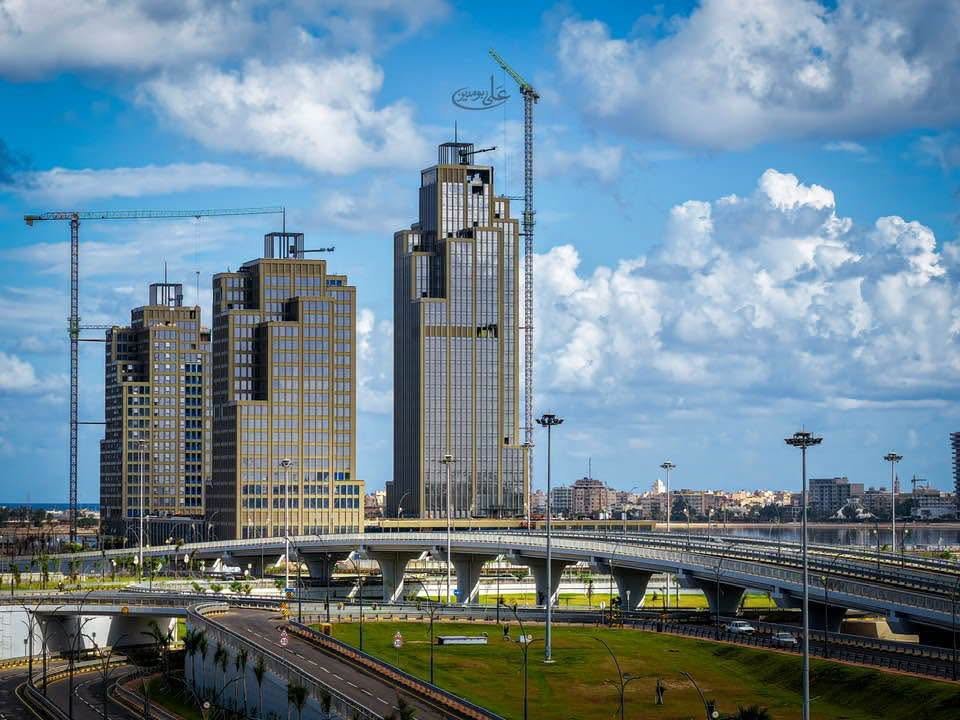
Jeliana is one of the most visible examples of the changing face of Benghazi Libya. The first phase of the area’s development opened in May 2026 with five modern bridges designed to improve traffic flow and connect central Benghazi with important routes.
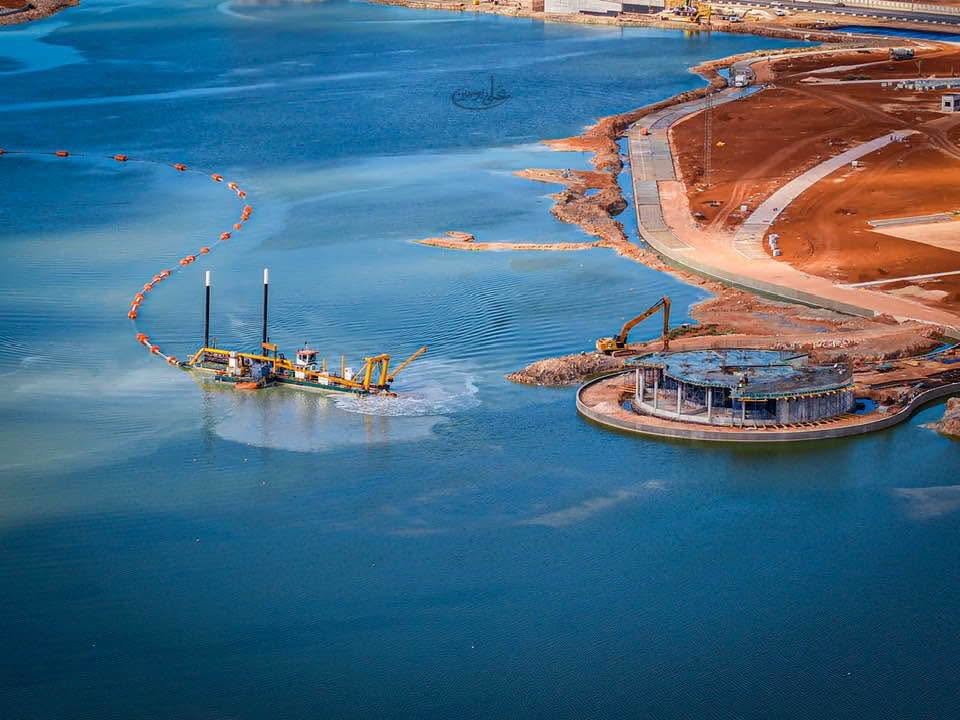
Benghazi Libya is also using the district as more than a transport interchange. Work around Jeliana Lake and the surrounding waterfront is creating a broader urban concept that combines public space, recreation, hospitality and real estate.
In August 2026, an agreement was announced for an integrated tourism and urban project on the Jeliana waterfront, with planned components including a beach club, hotel-style residential units and other services. The direction is clear: infrastructure is being paired with a stronger coastal identity.
For travelers, that matters because the Mediterranean is one of Benghazi’s greatest natural assets. A better connected and more active waterfront can give visitors new places to walk, relax and experience the city beyond its historic core.
Trade & Logistics
Benghazi Port and Jeliana Free Zone strengthen regional connections
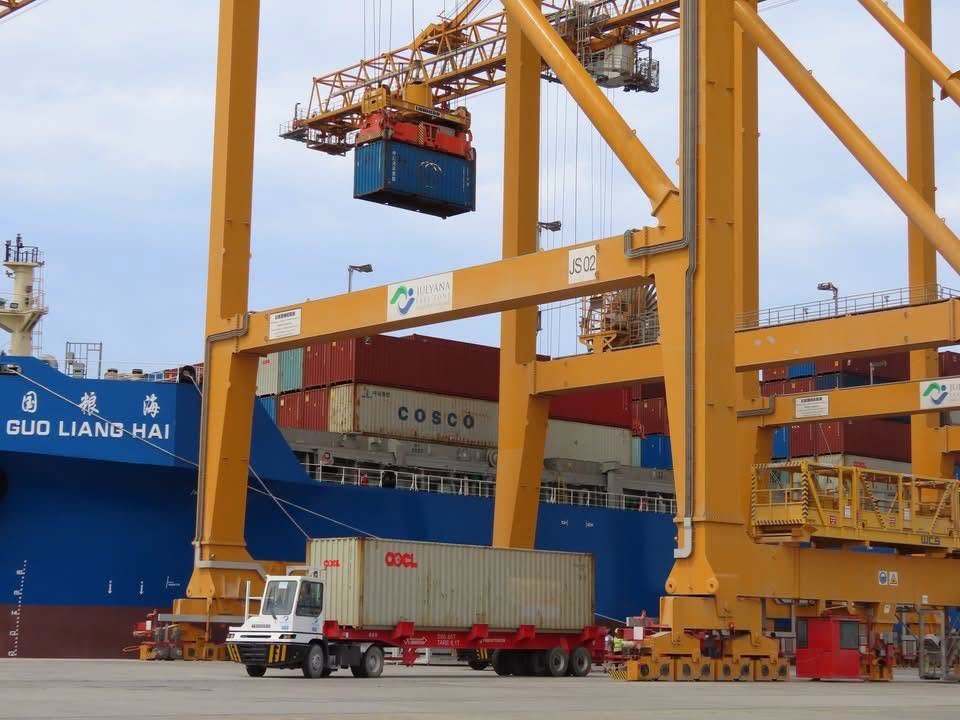
The port gives Benghazi Libya an economic advantage that few inland cities can match. Maritime access supports imports, container traffic, industrial supply chains and links with other Mediterranean markets.
In May 2026, the Libyan News Agency reported the launch of a direct maritime service linking East Asia with the Jeliana port through COSCO Shipping. The free-zone area is also developing grain-storage infrastructure, including a project planned around 20 steel silos with a total capacity of 200,000 tons.
These are not sightseeing attractions, but they matter to the future of Benghazi Libya. Efficient ports and storage facilities can support trade, food supply, re-export activity and companies that depend on predictable logistics.
Current Air Gateway
Benina International Airport is being extensively upgraded
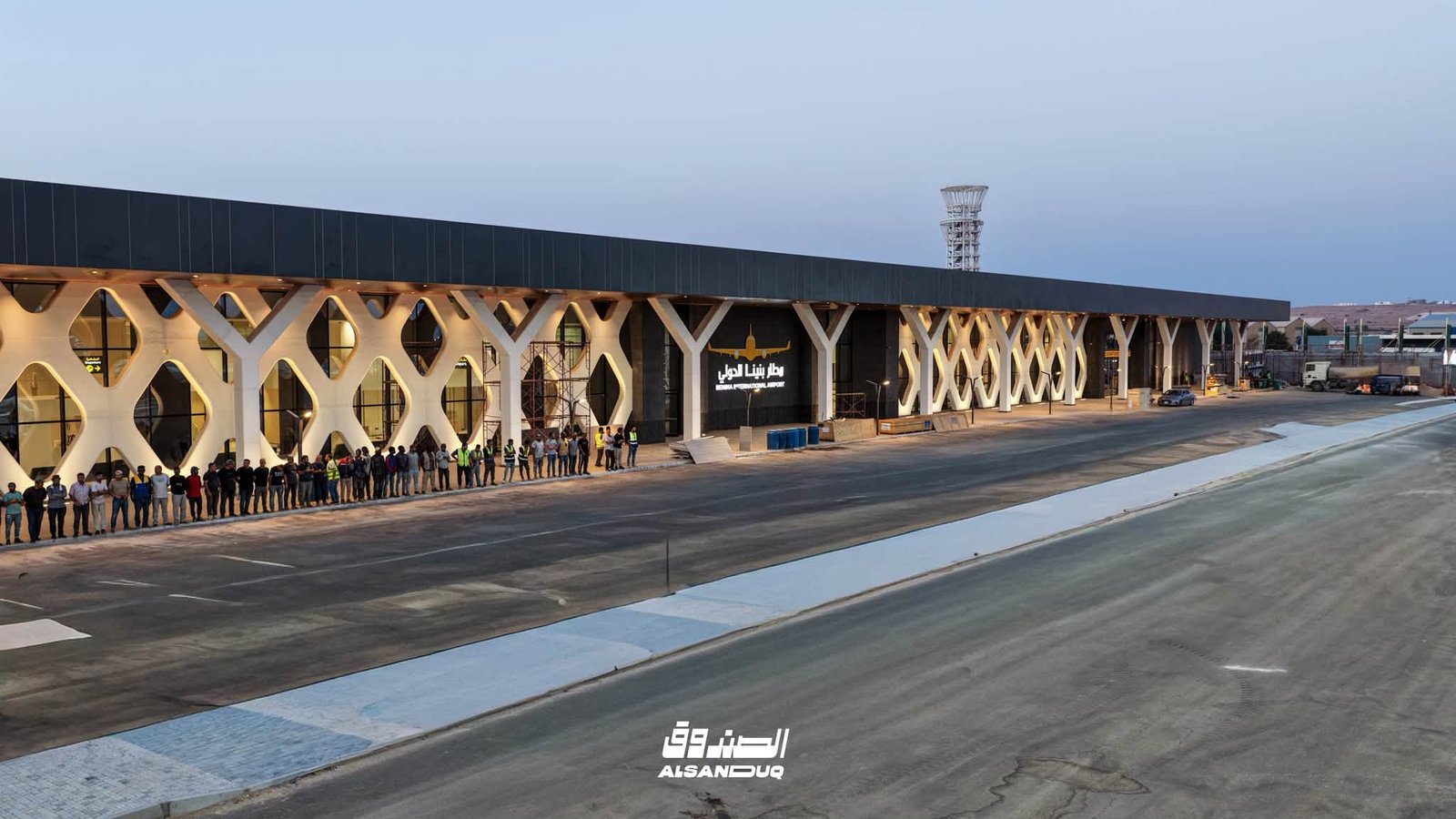
Benina International Airport remains the operating international gateway for Benghazi Libya, and a major redevelopment has been progressing through 2025 and 2026.
Official updates describe work on modern passenger facilities, airport administration buildings, the air-traffic-control tower, runways, roads and service infrastructure. By July 2026, the Development and Reconstruction Fund said the new passenger-terminal works had reached advanced stages, with later updates continuing to report progress.
For travelers to Benghazi Libya, Benina is the airport that matters today. Better passenger areas and upgraded operating infrastructure can improve arrival and departure while supporting more business, family and tourism travel.
The Benina project should be understood separately from the much larger new Benghazi International Airport under construction south of the city.
Future Aviation Hub
The new Benghazi International Airport is now a major strategic project
A separate new airport project is being built in the Tika area south of Benghazi. The National Development Agency describes the planned Benghazi International Airport as a 24-square-kilometer development with capacity for up to 15 million passengers annually.
Published project specifications include a 3.8-kilometer main runway, 12 departure gates, a dedicated cargo terminal and modern passenger facilities. Construction activity has been documented at the site, and the project is intended to provide far more aviation capacity than the current airport system.
For Benghazi Libya, the significance extends beyond passenger numbers. A large international airport with cargo and logistics infrastructure can support conferences, tourism, trade, specialized business travel and stronger connections with Europe, Africa and the Middle East.
The final economic impact will depend on completion, airline networks and successful operation. Even so, the scale of the project shows how central connectivity is to current plans for Benghazi’s future.
Education & Research
University of Benghazi reopened after major campus redevelopment
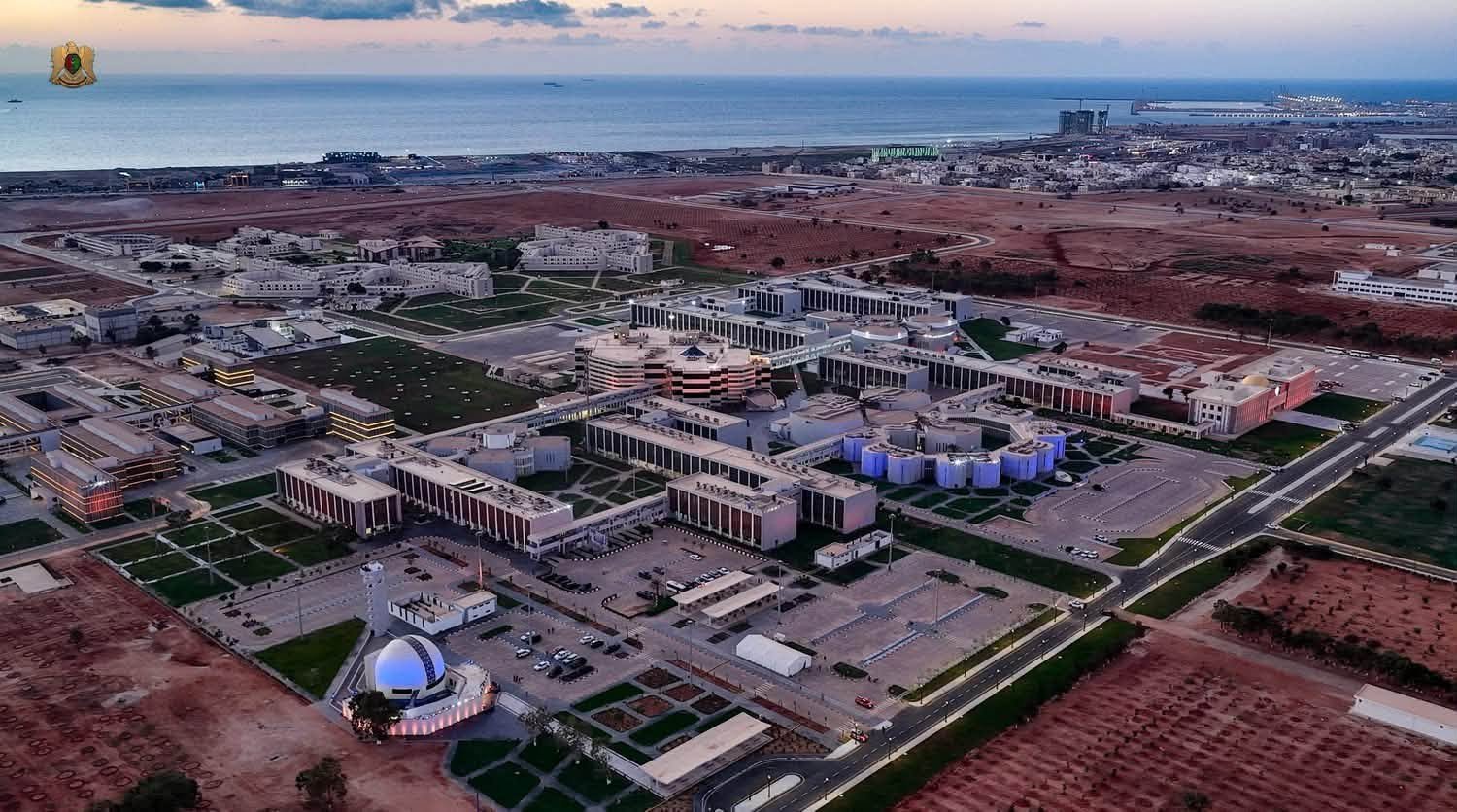
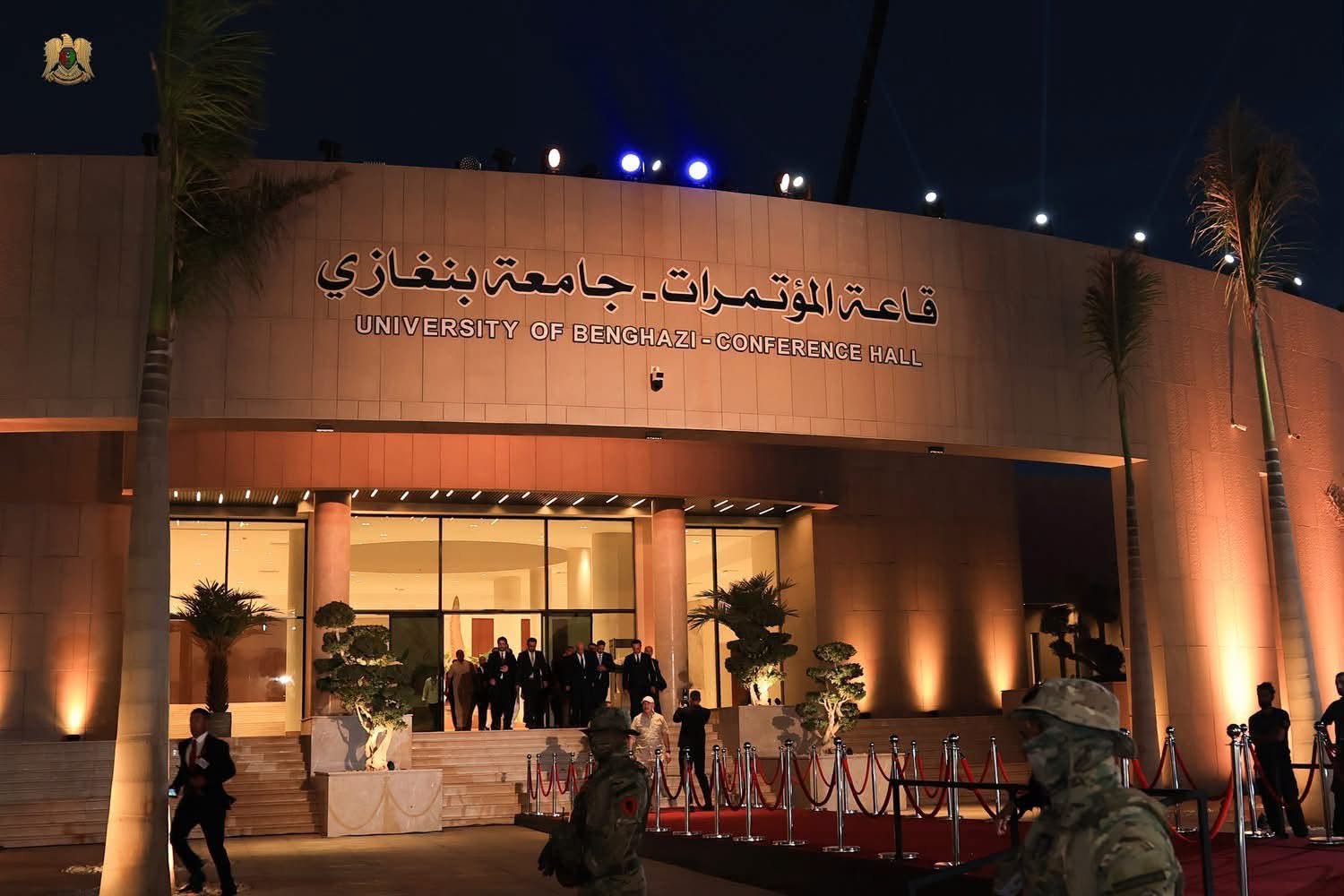
Education is one of the strongest symbols of the renewal of Benghazi Libya. University of Benghazi has long been one of Libya’s major academic institutions, and its main campus has undergone extensive rehabilitation and development.
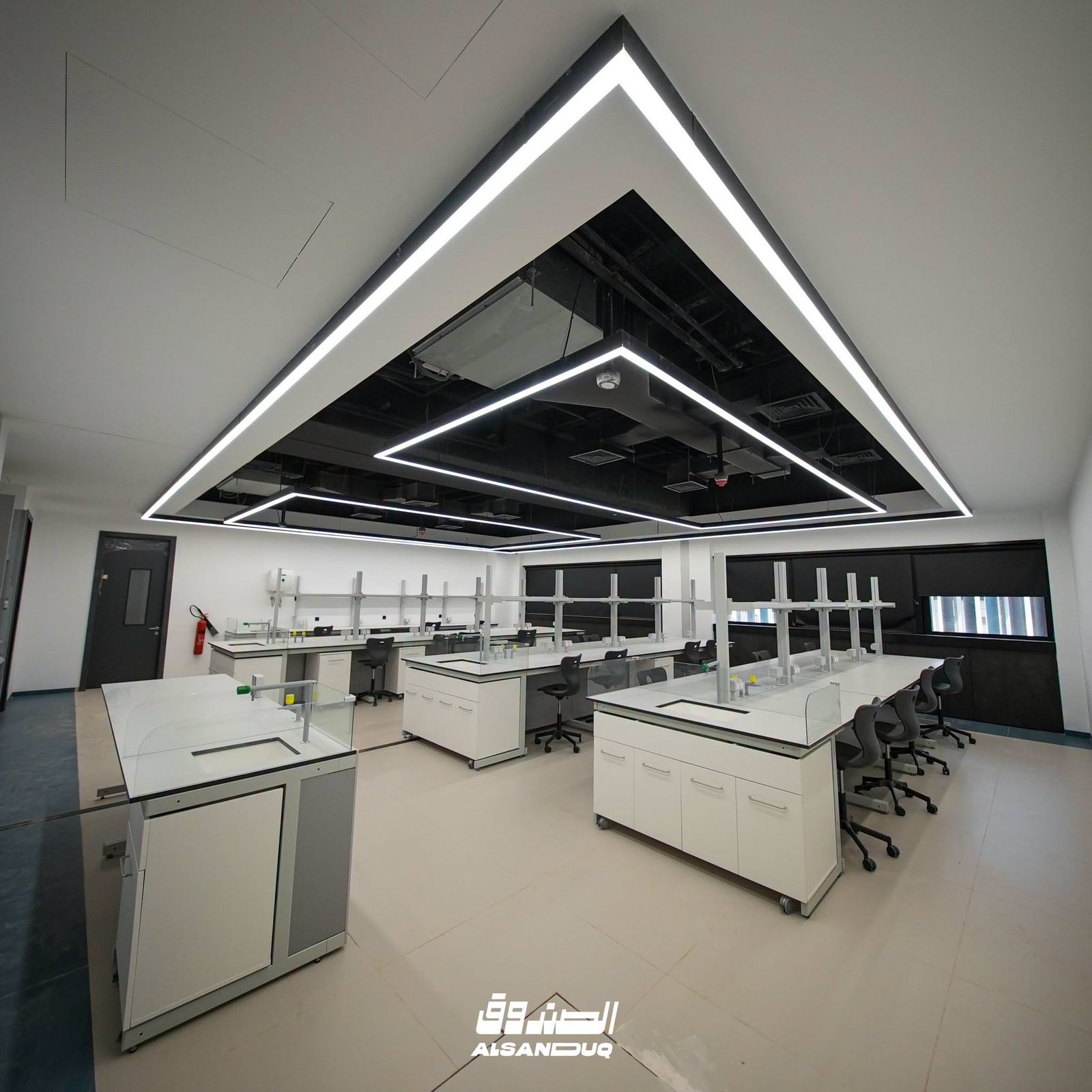
The university reported work on internal roads, academic buildings, classrooms, laboratories, furnishing and service facilities, making the campus an important part of the wider Benghazi Libya renewal story. Projects also included new or renewed spaces for engineering, medicine and other faculties, as well as central university facilities.
On September 4, 2026, the university held its formal reopening after the rehabilitation program. The event marked the return of a major institution to a renewed campus and highlighted the scale of the work completed across the site.
Modern laboratories and teaching facilities matter far beyond architecture. They support scientific training, research and professional education. Conference spaces can host academic and specialist events, while a functioning campus attracts students, faculty, visiting academics and services around them.
That creates an economic effect for the wider city. Universities generate demand for housing, transport, cafés, technology, printing, healthcare and professional services. They also help connect graduates and research with the private sector.

Sport & Events
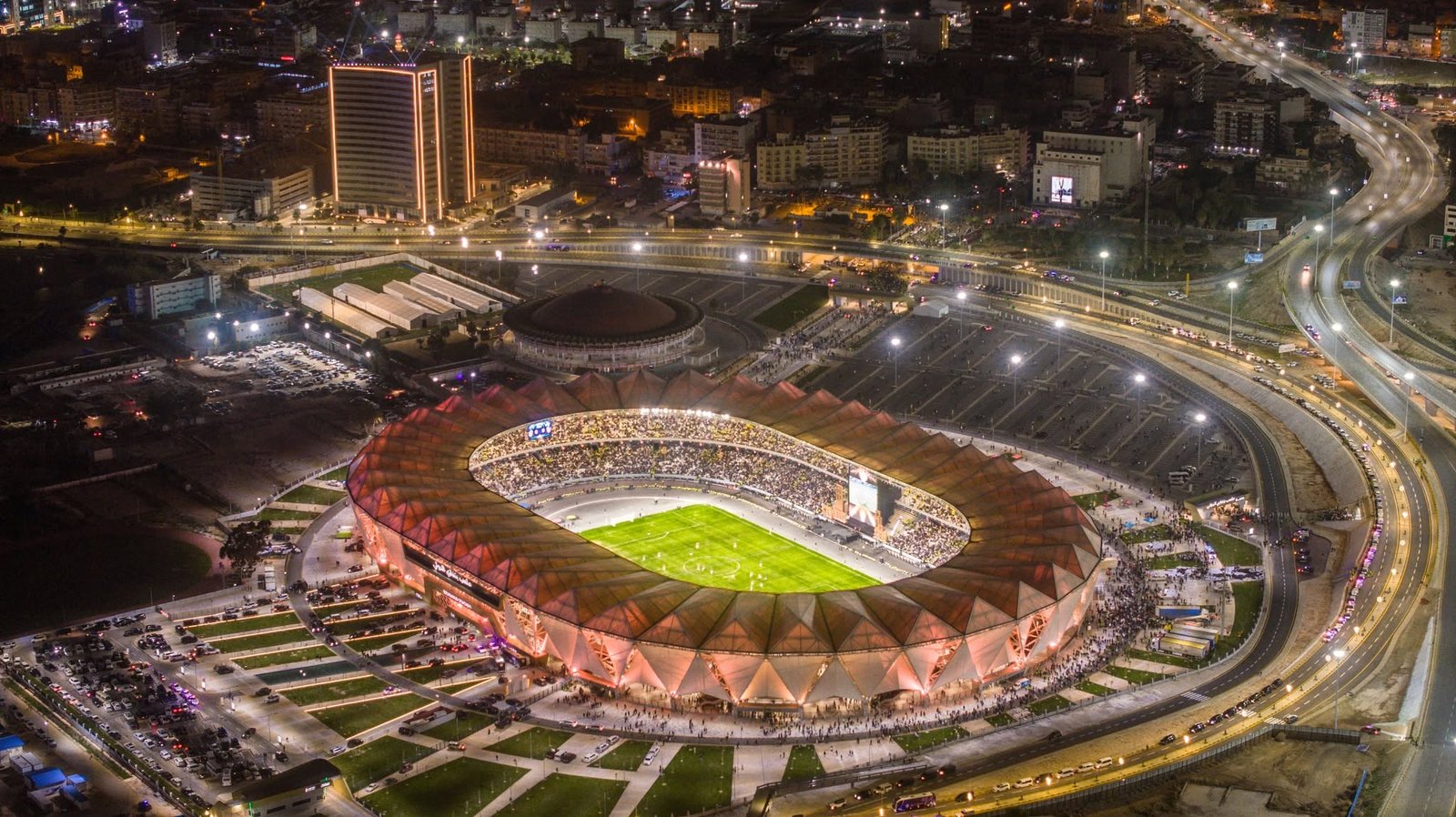
Benghazi International Stadium adds another major city venue
Sports facilities are part of the wider effort to strengthen public infrastructure. Benghazi International Stadium gives the city a large venue for football and major events while supporting activity around transport, hospitality, retail and media.
When a city combines sports venues with universities, conference facilities, hotels and improved airports, it becomes better equipped to host visitors for reasons beyond ordinary tourism. That helps Benghazi Libya build a broader events identity.
Future Position
Why Benghazi is becoming an economic and urban destination
The strongest case for Benghazi’s future is not one building or one district; it is the combination of projects. Roads connect the expanding city. Benina supports current air travel. The new Benghazi International Airport is designed for future capacity. The port and Jeliana Free Zone support shipping and logistics. The university strengthens human capital, and waterfront projects improve the city’s hospitality and lifestyle offer.
This concentration of infrastructure creates opportunities for construction, engineering, equipment, logistics, technology, training, healthcare, hospitality and professional services. It also makes the city increasingly relevant for companies studying eastern Libya.
That does not mean every announced project should be treated as a guaranteed commercial opportunity. Businesses should verify current status, procurement arrangements, contracts and local requirements before committing resources. But the scale of visible construction is an important indicator of where planning and investment attention are currently focused.
For travelers to Benghazi Libya, the same projects improve the practical side of visiting. Better roads can shorten local journeys, modern airports improve access, and new waterfront and hospitality projects create more places to spend time between excursions.
The Greater Benghazi planning initiative adds a longer horizon. If roads, land use, public services, coastal development and economic zones are coordinated well, the city can grow with a stronger identity rather than as a collection of disconnected projects.
A City with Two Stories
Benghazi Libya combines everyday city life with large-scale renewal
What makes Benghazi Libya especially interesting in 2026 is that development is happening inside a living Mediterranean city rather than on an empty site. Residents continue daily life while new infrastructure changes routes and public spaces around them.
That gives visitors a more complete view of modern Libya. You can spend the morning by the sea, then pass major bridge works, university facilities or new transport infrastructure later the same day. The contrast helps explain why Benghazi Libya is becoming both a travel destination and an important urban-development story.
Explore Eastern Libya
How to experience Benghazi Libya as a traveler
A good visit should treat Benghazi as more than an overnight stop. Spend time on the Mediterranean waterfront, explore central neighborhoods, experience cafés and local food, and see how Jeliana, new bridges and major road projects are changing the city.
Allow additional time for the university area and modern districts. Travelers interested in archaeology can use Benghazi as a starting point for Cyrene and Apollonia, while the Green Mountain offers a very different landscape within eastern Libya.
For a broader overview, see our Top Libyan Cities to Visit guide and our Places to Visit in Libya guide. Travelers interested in regional history can also read our World War II Sites in Libya guide.
For transport planning, continue to Getting Around Libya , or browse our Libya itineraries for private travel ideas.
Frequently Asked Questions
Benghazi Libya FAQ
Why is Benghazi important in eastern Libya?
What major projects are changing Benghazi in 2026?
Has University of Benghazi reopened?
Is Benina International Airport the same as the new Benghazi International Airport?
What is planned for the new Benghazi International Airport?
Can Benghazi be used as a base for Cyrene and eastern Libya?
Current Sources
Where to verify major Benghazi development projects
Because projects can change as construction progresses, visitors and businesses should verify the latest status. Useful current sources include the Libya Development and Reconstruction Fund , the National Development Agency project portal and the University of Benghazi .
Related Guides
Continue exploring Libya
Libya Adventures
Planning a private visit to Benghazi and eastern Libya?
Libya Adventures can help plan private transport, local arrangements and an eastern Libya itinerary connecting Benghazi with archaeological, coastal and mountain destinations.
Request Trip Information →