
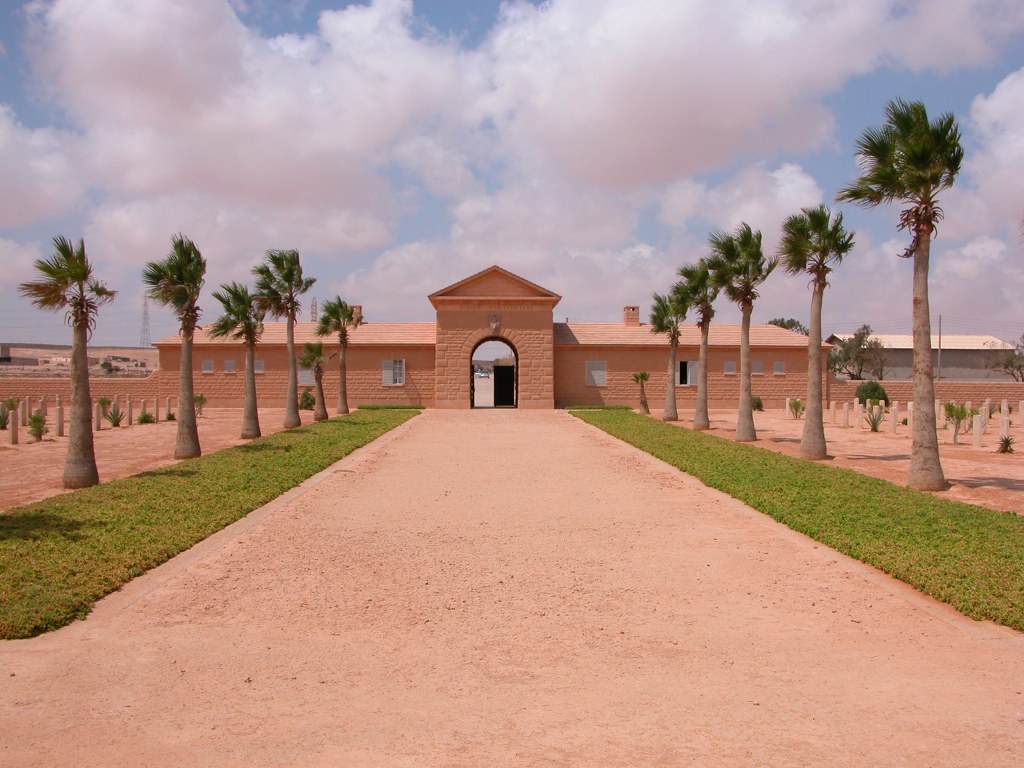
Tobruk · Benghazi · North African Campaign
World War II Sites in Libya
Explore the history of the North African campaign through Tobruk, Benghazi, Beda Fomm and other places where the desert war left a lasting mark on Libya.
Explore the History ↓Historical background
Desert War Libya became one of the central landscapes of the North African campaign during the Second World War.Libya and the North African campaign
During the Second World War, Libya became a major battleground between Axis and Allied forces. The campaign moved repeatedly across Cyrenaica and Tripolitania as armies fought for ports, roads, supply routes and control of the wider North African theatre.
Tobruk became one of the best-known names of the campaign, but the wartime landscape extends much further. Benghazi repeatedly changed hands, Beda Fomm became the scene of a decisive battle during the first British advance through Cyrenaica, and airfields around Tripoli played an important role in Axis and Allied air operations.
Today, war cemeteries, memorials and surviving places provide a quieter way to understand this history. They are places for remembrance as much as sightseeing and should be visited with appropriate respect.
The campaign in Libya
Places that shaped the desert war
The fighting did not take place in one location. Ports, desert roads, airfields and defensive positions across eastern and western Libya were repeatedly drawn into the war.
A strategic port
Tobruk became a vital fortified port and the scene of prolonged fighting, including the famous 1941 siege.
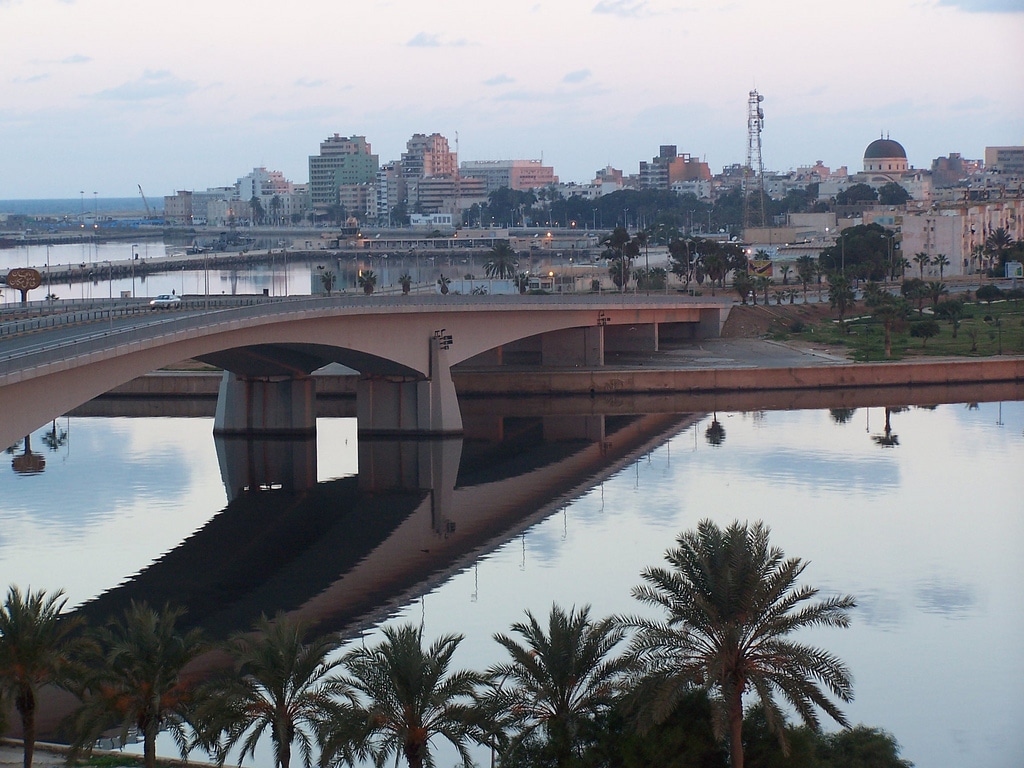
Cyrenaica’s main city
Benghazi changed hands during the campaign and served as an important port and communications centre.
February 1941
South of Benghazi, British forces intercepted the Italian retreat and brought the first Cyrenaica campaign to a decisive conclusion.
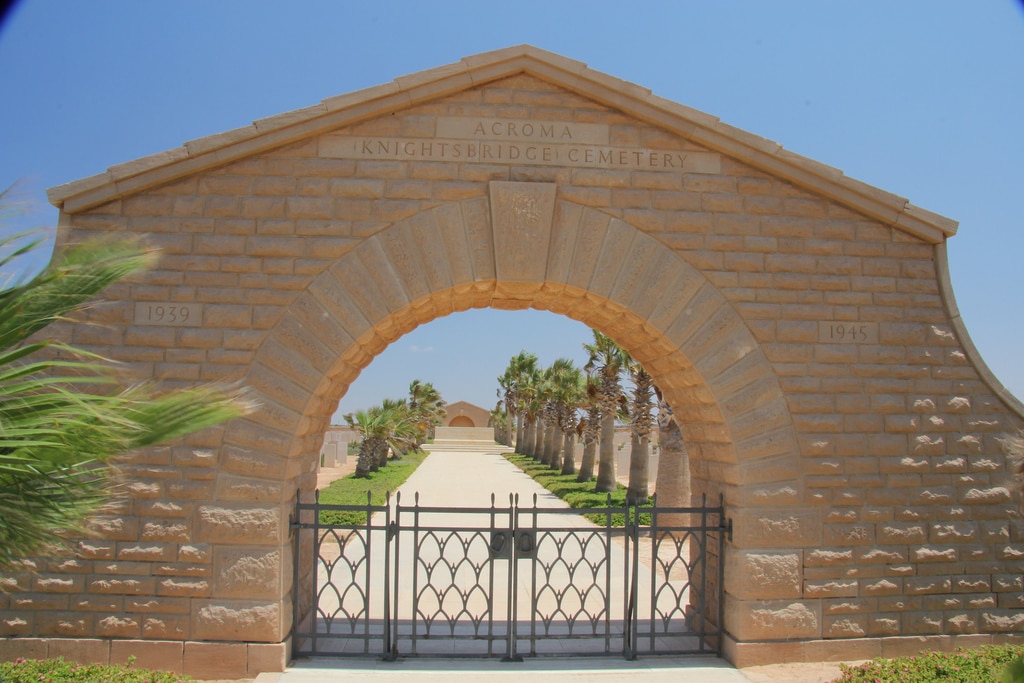
Knightsbridge
The Tobruk area includes important Commonwealth burial sites connected with fighting around the port and desert.
Airfield & battlefield
The area south of Tobruk was closely connected with wartime air operations and fighting around the city.
Air operations near Tripoli
Castel Benito was an important military airfield south of Tripoli and appears repeatedly in wartime records.
Eastern Libya
Tobruk and the siege of 1941
Tobruk’s deep-water port and defensive position made it strategically important during the North African campaign. Allied forces captured the town from Italian forces early in 1941.
When Axis forces advanced eastward later that year, Tobruk remained in Allied hands and was surrounded. The resulting siege lasted for months and became one of the most widely remembered episodes of the desert war.
The wider Tobruk region later saw further fighting. Axis forces captured the town in June 1942, before Allied forces returned later that year as the campaign moved westward again.
Remembrance
Tobruk’s war cemeteries
The cemeteries around Tobruk are among the most tangible reminders of the human cost of the North African campaign.
Places of remembrance
Tobruk War Cemetery and Knightsbridge War Cemetery at Acroma are officially recorded Commonwealth war cemeteries associated with the fighting in Libya.
The wider Tobruk area also reflects the multinational nature of the campaign, with memorials and burial places connected with soldiers from several countries.
A visit should be approached as an act of remembrance. Keep noise low, avoid climbing on memorials and follow any local or cemetery-specific guidance.
Cyrenaica
Benghazi and its wartime history
Benghazi was strategically important because of its port, position in Cyrenaica and connection with the coastal routes across eastern Libya.
The city changed hands during the campaign as the front moved repeatedly across the region. Wartime records document British advances, withdrawals and military activity around Benghazi during 1941 and the years that followed.
Benghazi War Cemetery is an important place of remembrance for those interested in the Commonwealth history of the North African campaign.
South of Benghazi
The Battle of Beda Fomm
Beda Fomm occupies an important place in the history of the 1941 campaign in Cyrenaica. As Italian forces withdrew south from Benghazi, British armoured units moved to cut their route.
The resulting battle brought heavy losses and captures and effectively ended the Italian retreat from Cyrenaica during this stage of the campaign.
Australian War Memorial records place Beda Fomm roughly sixty miles south of Benghazi and document captured Italian armour and British units operating in the area.
Tripolitania
Castel Benito and wartime aviation
World War II history in Libya is not limited to the eastern battlefields. Near Tripoli, Castel Benito was an important military airfield used during the war.
RAF historical records identify Italian fighter and transport units operating from Castel Benito and record Allied attacks on the airfield as the campaign moved westward.
This aviation history adds a different perspective to Libya’s wartime story: ports and land battles were only part of the campaign. Airfields and the struggle for air power were also essential.
A simplified timeline
Libya during the North African campaign
Italian and British forces begin major operations across Egypt and Libya.
The port becomes an important Allied position during the first advance through Cyrenaica.
British forces intercept the Italian retreat south of Benghazi.
Tobruk remains an isolated Allied position while Axis forces control much of the surrounding region.
The city changes hands again during the renewed Axis advance into eastern Libya.
Allied advances push Axis forces out of Libya and toward Tunisia.
Visiting historical sites
Plan a respectful visit
War cemeteries and battlefield locations are very different from normal sightseeing attractions. A little preparation makes the visit more meaningful.
Cemetery access, roads and local arrangements should be confirmed for your actual travel dates.
Do not rush a cemetery visit. Leave time to read names, inscriptions and understand the historical setting.
Keep noise low and treat graves, memorials and cemetery grounds with the respect expected at a place of burial.
Tobruk, Benghazi and Beda Fomm make more sense when viewed as connected stages of the North African campaign.
Historical Libya
Build a wider history journey
Beyond one period
Add World War II history to a Libya itinerary
Libya’s history is layered. A journey can move from Roman and Greek archaeological sites to modern cities and places connected with the Second World War.
Our Historical Libya itinerary already connects Tripoli with Benghazi and the archaeological heritage of eastern Libya. If wartime history is particularly important to you, tell us when making your enquiry so we can discuss what may be practical for your dates.
Explore Historical Libya – 9 Days →Frequently asked questions
World War II sites in Libya FAQ
What are the best-known World War II sites in Libya?
Can I visit Tobruk War Cemetery?
Is there a war cemetery in Benghazi?
What happened at Beda Fomm?
What was Castel Benito?
Can World War II sites be added to a private Libya trip?
Continue exploring
More Libya history & travel planning
Interested in Libya’s wartime history?
Talk to our team about your journey
Tell us your preferred dates, group size and the historical places you are interested in visiting. We can discuss the current arrangements and how they may fit into a wider Libya itinerary.
Send an Enquiry →
[…] history Mediterranean Eastern Libya War cemetery World War II Sites in Libya → […]